

Study Hall: The Chi S8 EP5
ON THE CUT - 004 - 5 Things I Learned From This Episode As A Screenwriter


Study Hall is a series by Shareece’s Screens dedicated to studying the art, language, and architecture of television and film. From screenwriting and directing to character psychology, cinematography, sound, editing, and world-building, each session explores how stories are constructed and why they emotionally resonate with audiences.
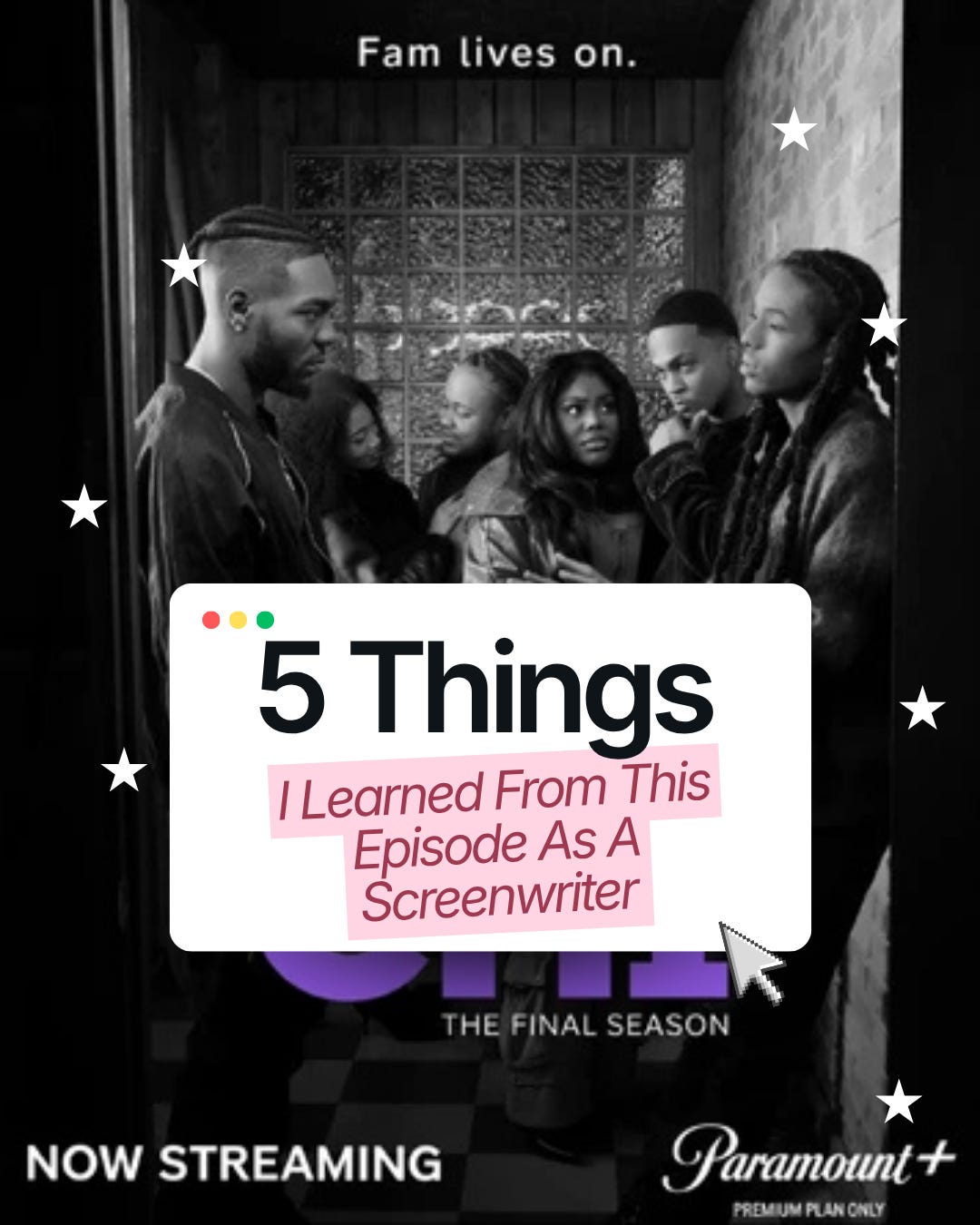
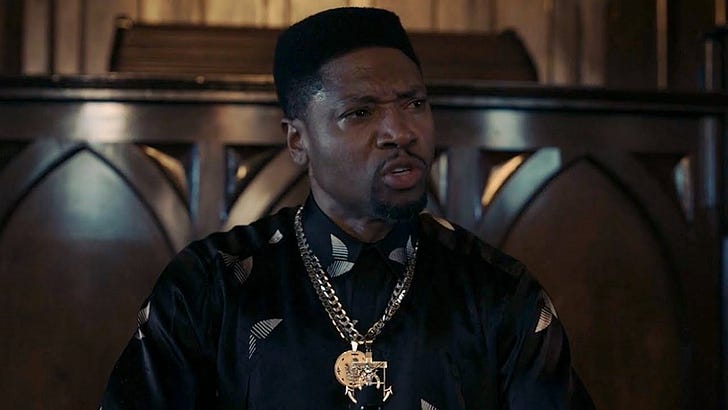
Robert Townsend single-handedly directed the best episode in The Chi‘s history and proved yet again why he is an icon.

As Robert Townsend‘s biggest fan, I am extremely proud of the work. He did with episode five of The Chi season eight. Y’all know I don’t do spoilers, but I do want to discuss how Robert Townsend picked up The Chi’s history and gave us a look into how he visually sees the story. This was hands down the best episode in the history of The Chi, and he is one of the reasons. He captured such an explosive episode that left me in tears but also happy as the fuck. Here are some things that stood out to me as a screenwriter:
Backstory is important
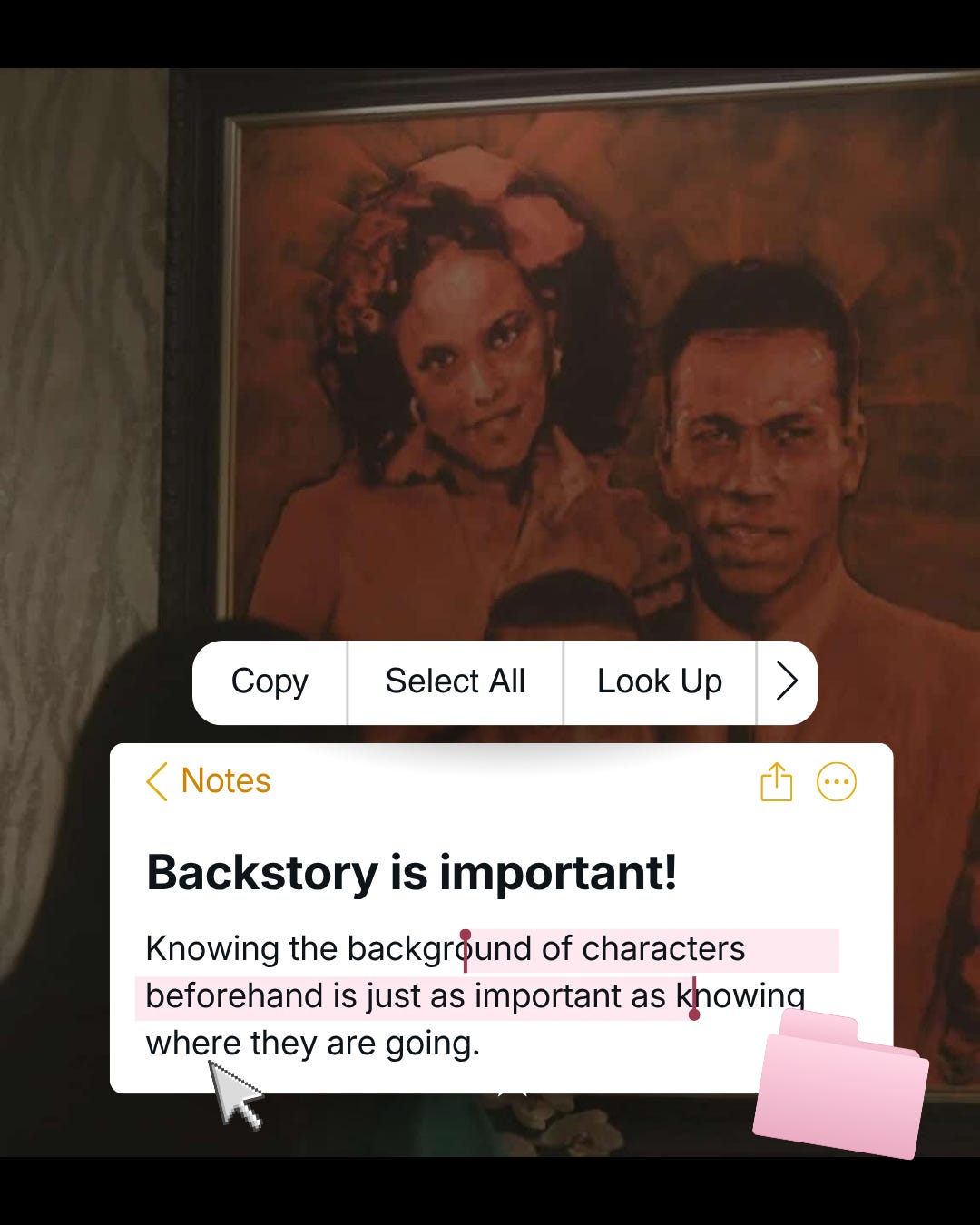
He clearly knew who the characters were before directing them, and that’s a plus in my book. Of course Lena did a great job at writing this episode and communicating her desires, but Robert did his homework before reading the script, and you can tell.
Write for directors
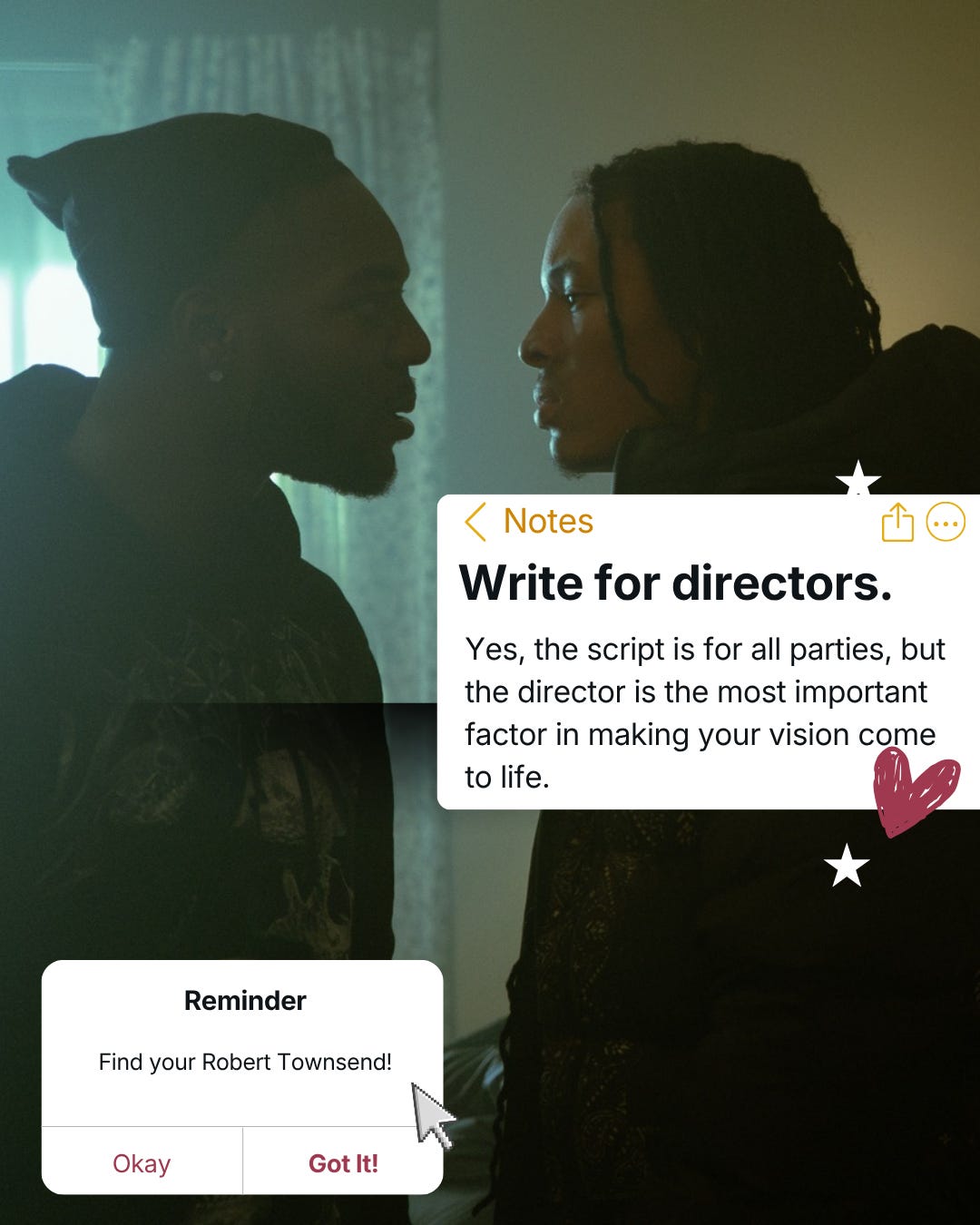
Most of the time as writers we get caught up in viewership and writing for the actor, so writing for the director becomes secondary, but a good script always has the director in mind. Lena and Robert have a unique chemistry that is beautifully portrayed on camera.
Easter Eggs are top tier!!!!

It’s nothing like an Easter egg!!! There were so many in this episode that I lost count. Writing Easter eggs allows you to connect with the audience like never before. Want to create a fandom that lasts for generations to come? You better have some Easter eggs in those scripts.
Black Culture is the soundtrack of our souls
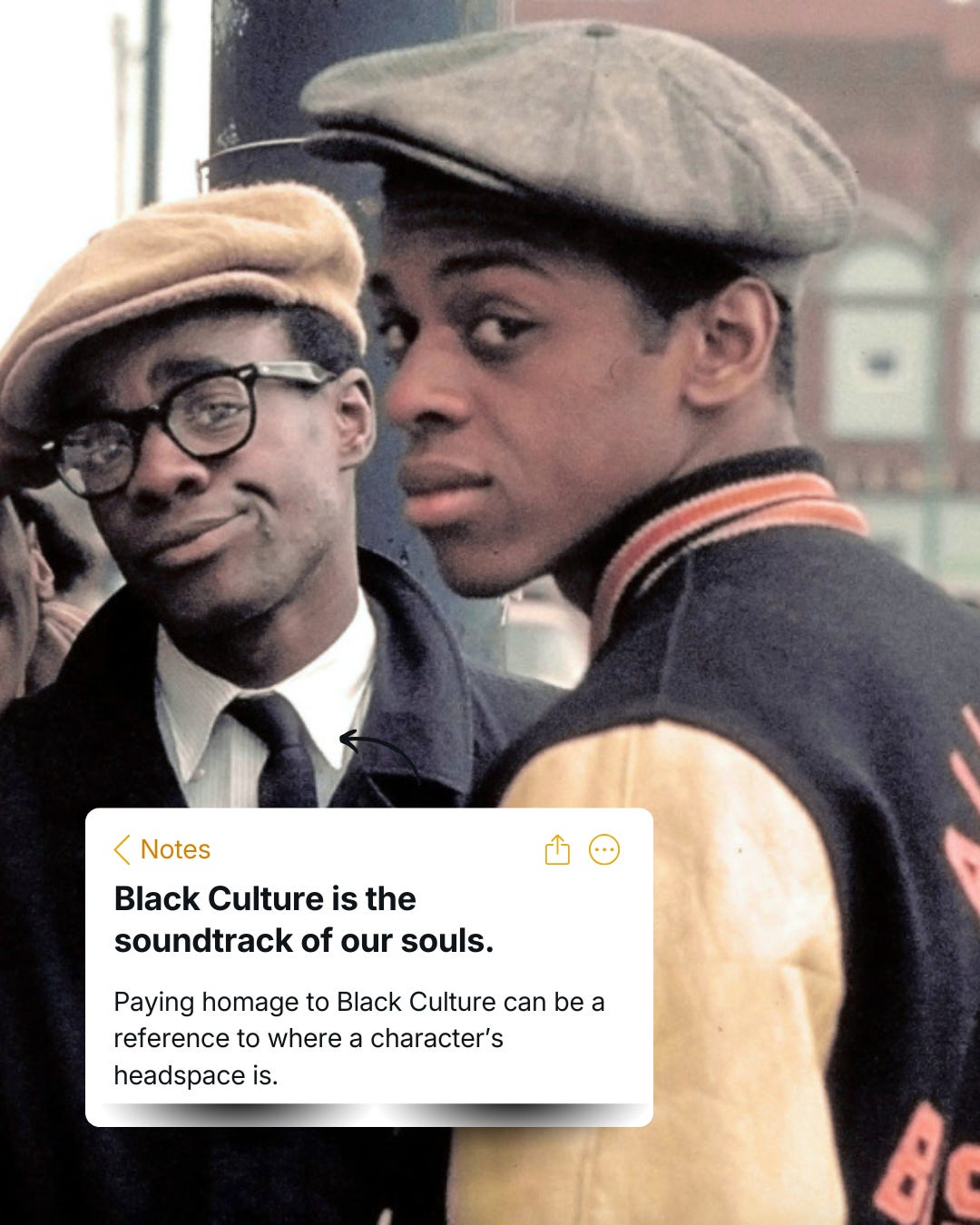
If you’re not writing what you know, then what are you writing? This episode paid homage to so many legendary Chicago aspects, and it represented where the characters’ headspace was. Our environment is the best inspiration for telling stories.
Secrets never stay quiet!
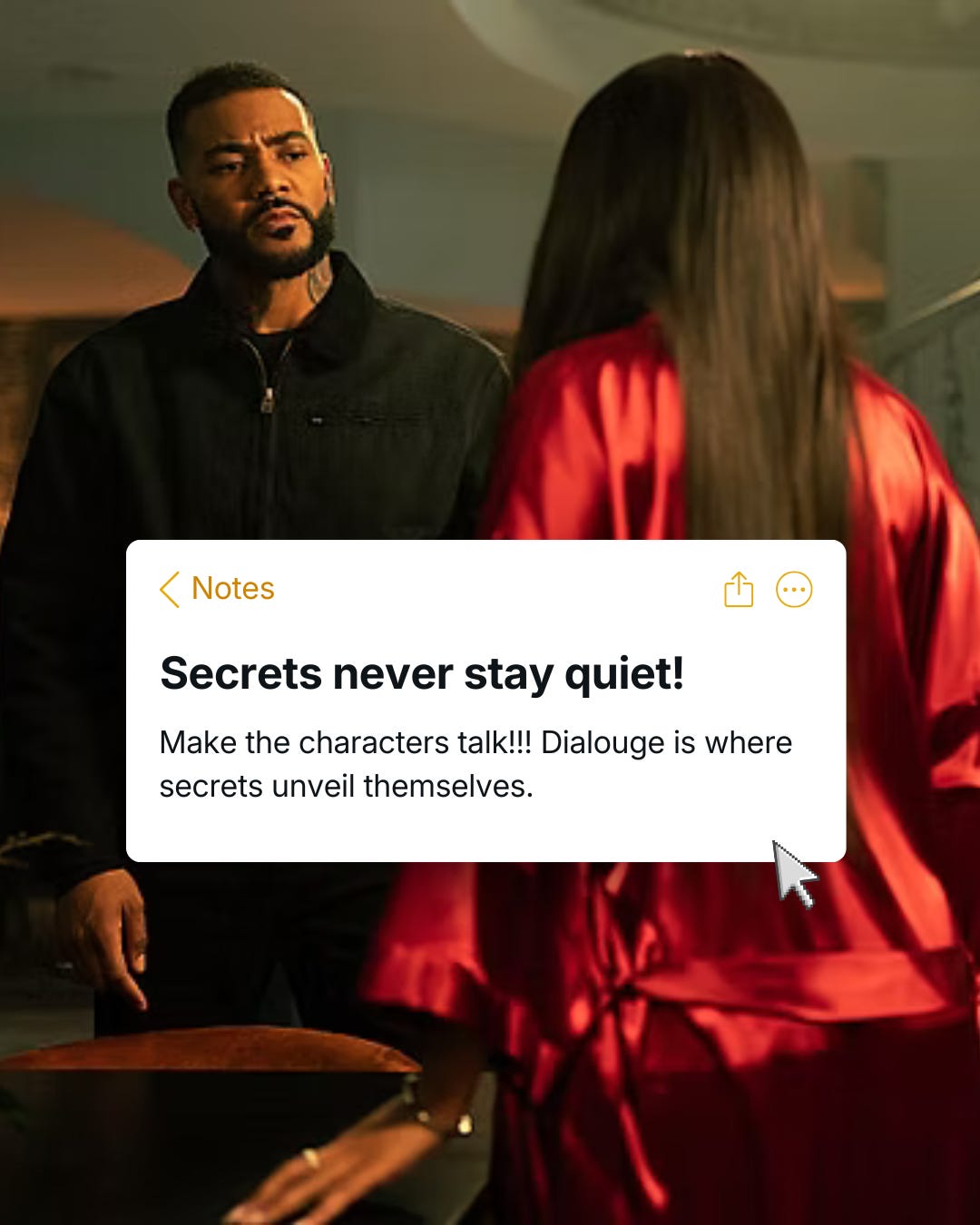
The perfect way to write off a character or get them caught up is to spread the truth. Not the lies, but the truth!! Everybody should be talking to each other, evidence should be thrown around, and the adults should be handling business. Dialogue shouldn’t be a flyaway; it should mean something even if it’s short and sweet.
Standout Moments I Fell In Love With
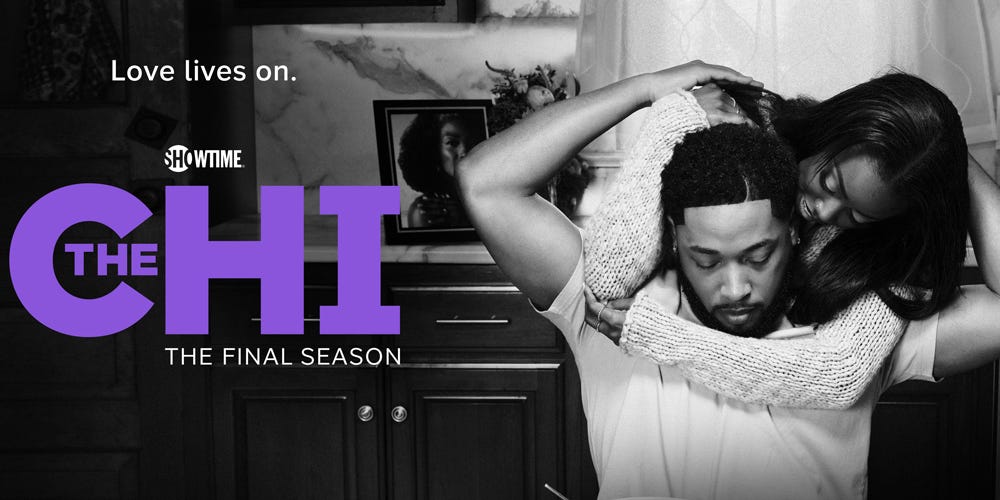
Victor being a gem
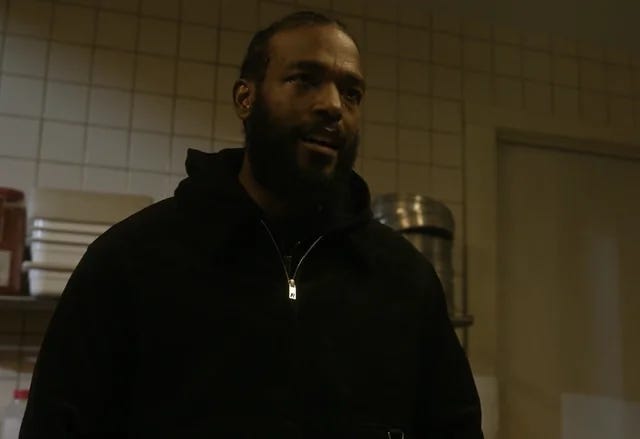
This man is the backbone of the show! He is The Chi! He makes me so happy every time I see him, hear him, or see him show up for Tiff.

Reg & Jake
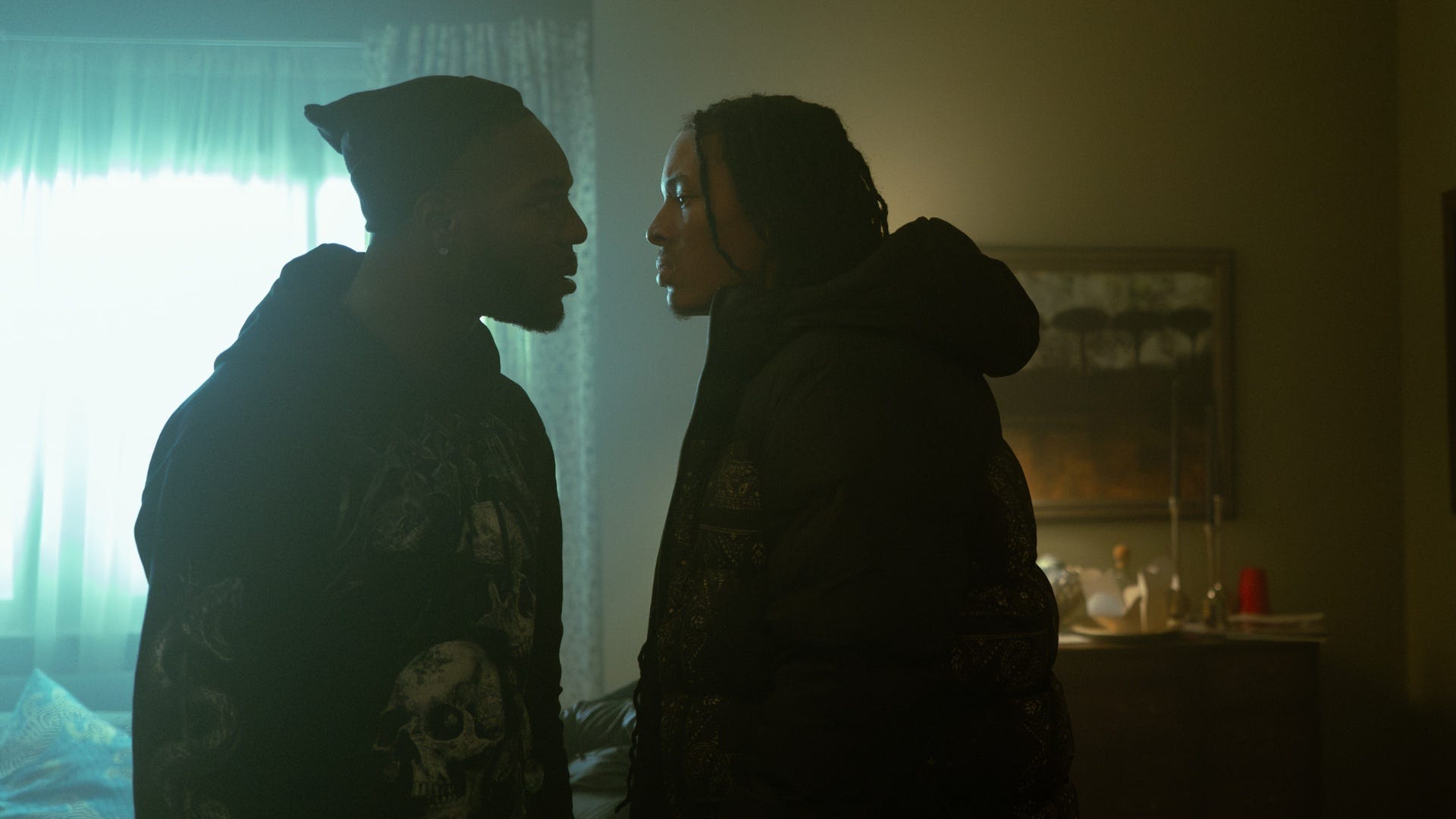
It’s like I know y’all aren’t getting along, but I love seeing them on screen together. Always have!! They have so much great chemistry and play so well together that it seems so fucking real. However, I hate that they fight every single time the see each other, but one thing is for sure: there is so much love between them. This ain’t no street fighting, this is brotherly love. My heart broke seeing Reg cry. Like boy you CLEARLY GIVE A FUCK.
Shareece’s Screens Awards
Best Performance - Jacob Latimore as Emmitt / Anthony B. Jenkins as Devante
Best Character - Victor (Played by Luke James)
Best Scene - Reg Crashes Out On Jake
I hope you enjoyed these lessons and will use them to help you create stories that make you feel seen. Until next time…
Overall Rating: 10/10

Shareece’s Screens isn’t a hobby.
It’s a development room.
This publication operates as an open studio inside Realm Empire Network (REN) — where I build scripted and unscripted worlds, break down character psychology, publish development notes, and document the architecture behind universes like Project Universe and Vessel Century Universe.
I am a full-time creator.
That means:
I research.
I write.
I world-build.
I develop show bibles.
I design templates for storytellers.
I mentor through Script My Story.
I actively develop visual projects inside REN.
And I do it independently.
There’s no studio payroll behind this page.
No corporate marketing budget.
No network funding my development hours.
When you tip Shareece’s Screens, you are:
• Funding story development
• Supporting independent Black-led studio infrastructure
• Investing in world-building philosophy outside of Hollywood system
• Allowing me to create without compromising the vision
• Helping sustain a full-time creative practice
This work takes time, discipline, and emotional labor. The breakdowns you read here — from character autopsies to power dynamics templates — are the same level of thinking I apply inside writers’ rooms and development spaces.
Tipping allows me to:
Dedicate more hours to story development
Produce deeper research essays
Release more templates and tools
Host more free educational breakdowns
Continue building REN as an ecosystem
If something here helped you think differently, build stronger characters, or see story in a new way — consider supporting the studio.
Even small tips matter.
Independent storytelling only survives when the audience values the architect as much as the art.

Study Hall: Power Book III: Raising Kanan - S5 EP 1
Study Hall is a series by Shareece’s Screens dedicated to studying the art, language, and architecture of television and film. From screenwriting and directing to character psychology, cinematography, sound, editing, and world-building, each session explores how stories are constructed and why they emotionally resonate with audiences.
Study Hall: Black Actors From The South You Should Know About

Study Hall is a series by Shareece’s Screens dedicated to studying the art, language, and architecture of television and film. From screenwriting and directing to character psychology, cinematography, sound, editing, and world-building, each session explores how stories are constructed and why they emotionally resonate with audiences.