

Study Hall: Power Book III: Raising Kanan - S5 EP 1
ON THE CUT - 003 - 5 Things I Learned From This Episode As A Screenwriter


Study Hall is a series by Shareece’s Screens dedicated to studying the art, language, and architecture of television and film. From screenwriting and directing to character psychology, cinematography, sound, editing, and world-building, each session explores how stories are constructed and why they emotionally resonate with audiences.
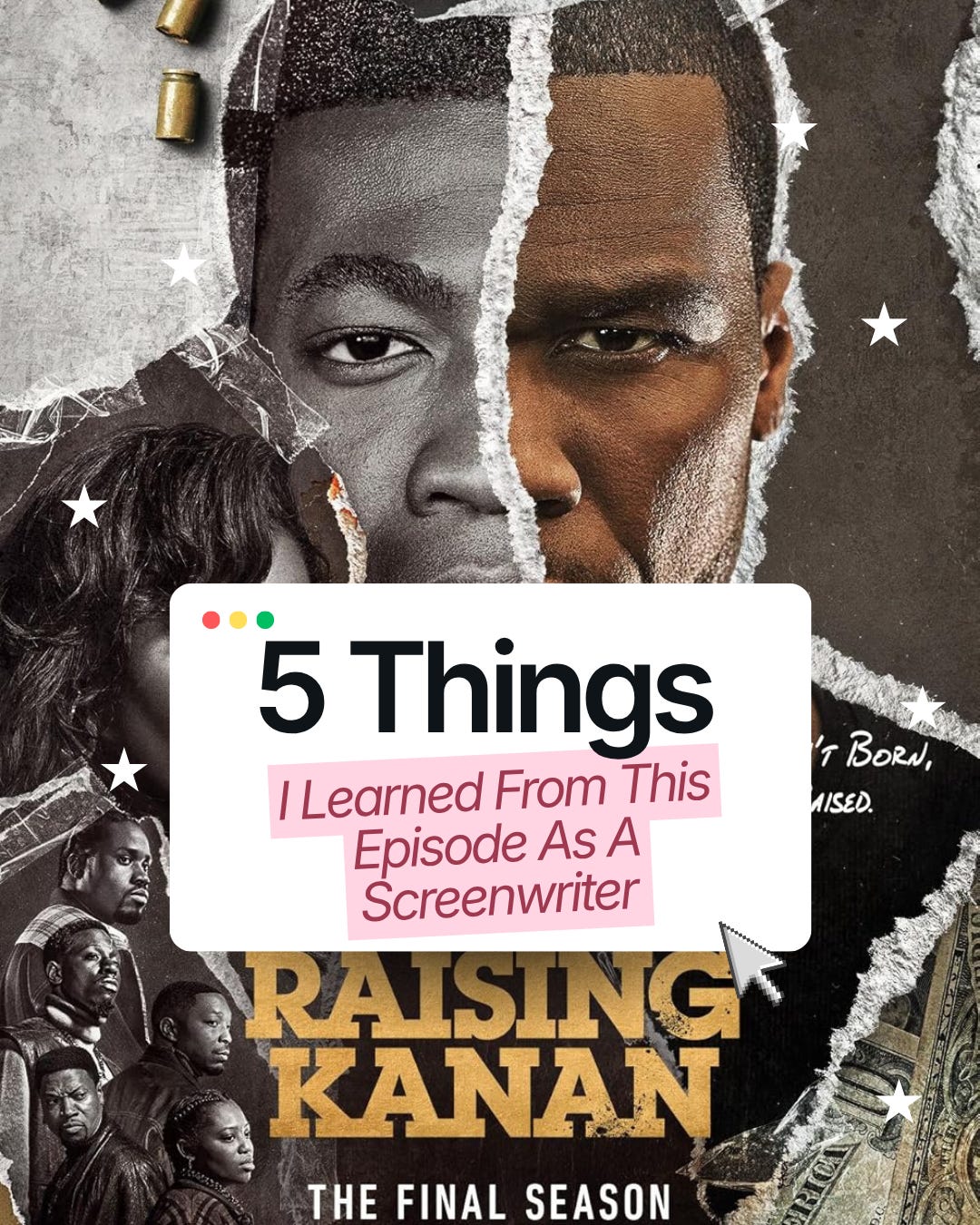
What an iconic yet heartbreaking way to start the final season of Power Book III: Raising Kanan. I really do hate to see this series go, but I am more pleased with the writing than I’ve ever been, so I’m really excited to see what this season has to offer. As a screenwriter, I am learning more about how I want to show up in a writers’ room. From creator of the Power Universe, Courtney A. Kemp; executive producer Curtis “50 Cent” Jackson; and writer Sascha Penn, this show has remained one of the best shows in the universe, and I see why.
This episode offered such a wide range of cultural significance but also emotional impact that seems to capture something out of the ordinary. Without giving spoilers, each performance carries that show, and each character drives the story, and what we saw on the anchor series Power is starting to play out clearly. I’ve learned a handful from this episode, and I am not gatekeeping:
1. Flashbacks suggest a memory
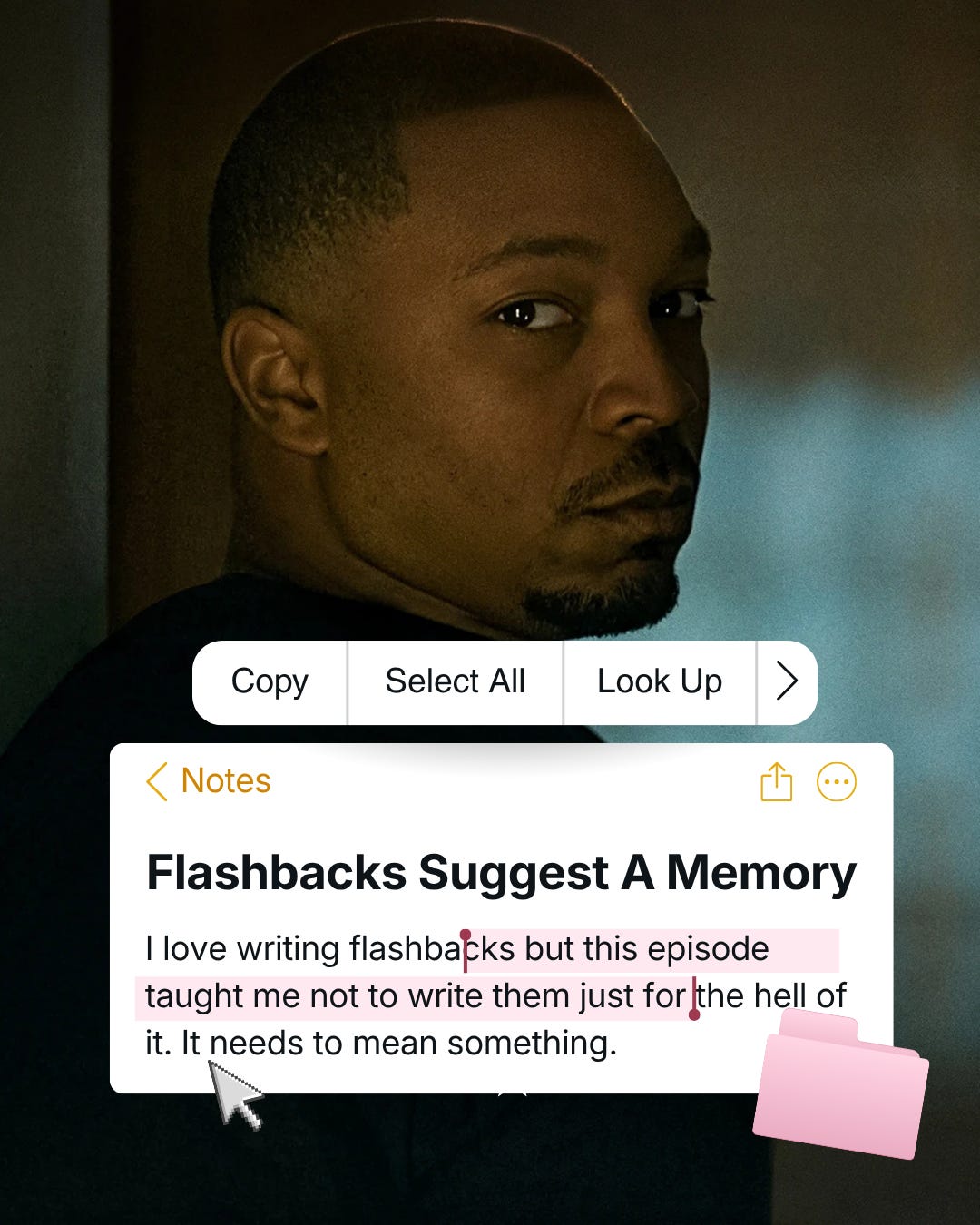
If you have read any of my scripts, then you know I love a flashback. I think flashbacks have the power to control the outcome of any story. One thing I learned from this episode is to write them with meaning. I don’t want to just write a flashback with no meaning because that can lead to confusion from the audience but also from me as one of the writers.
2. Emotion is king
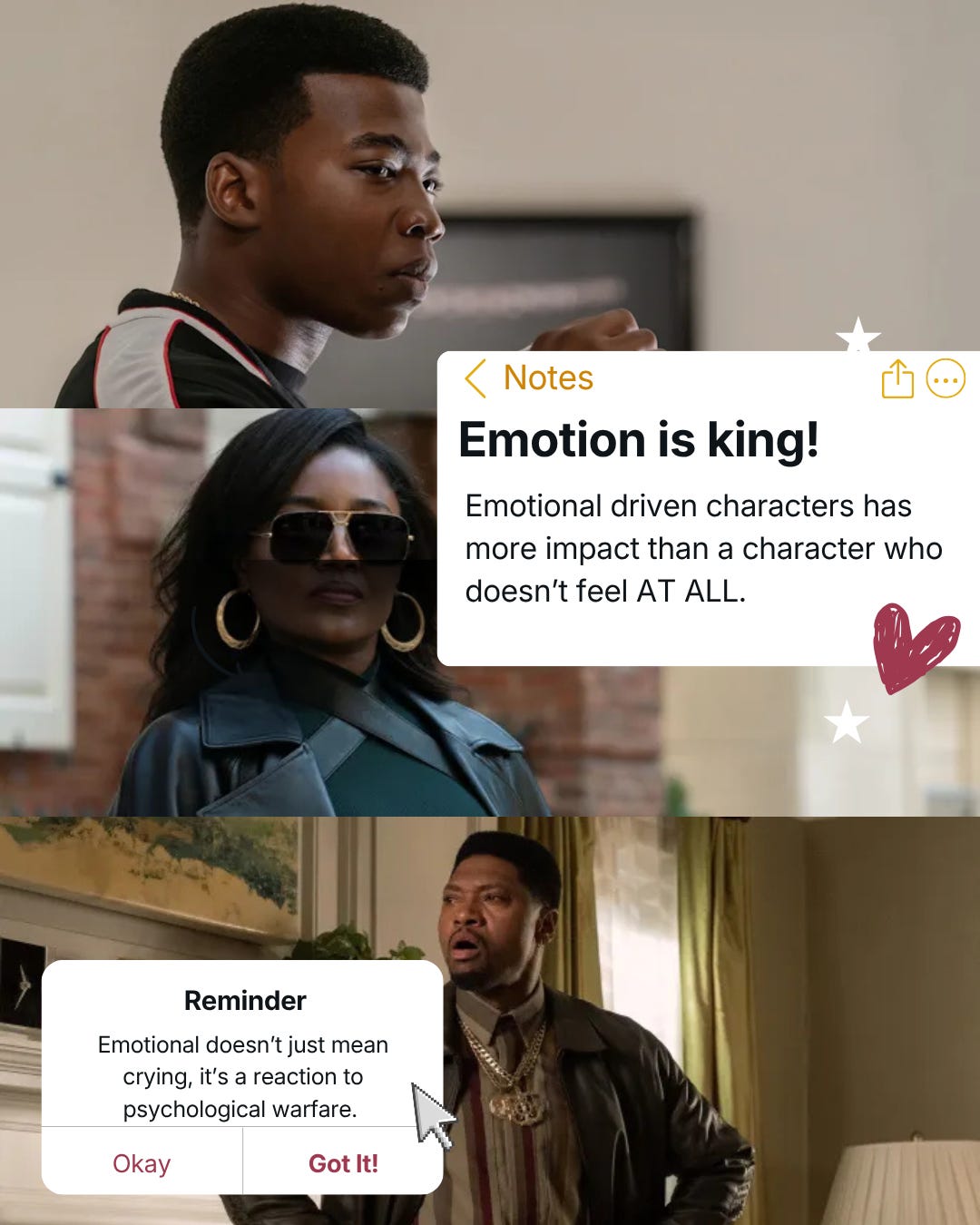
A character without emotion has no room to grow, and we ain’t got time for that. The thing about Sascha Penn is that he writes characters who cry on the inside, and when they finally cry, it’s to remind people that they hold power. That’s not to say that crying is the only way to show emotion, but these characters absolutely believe that to be true, even though all of them are emotionally impacted by the chaos around them.
3. Write the main character(s) as villains
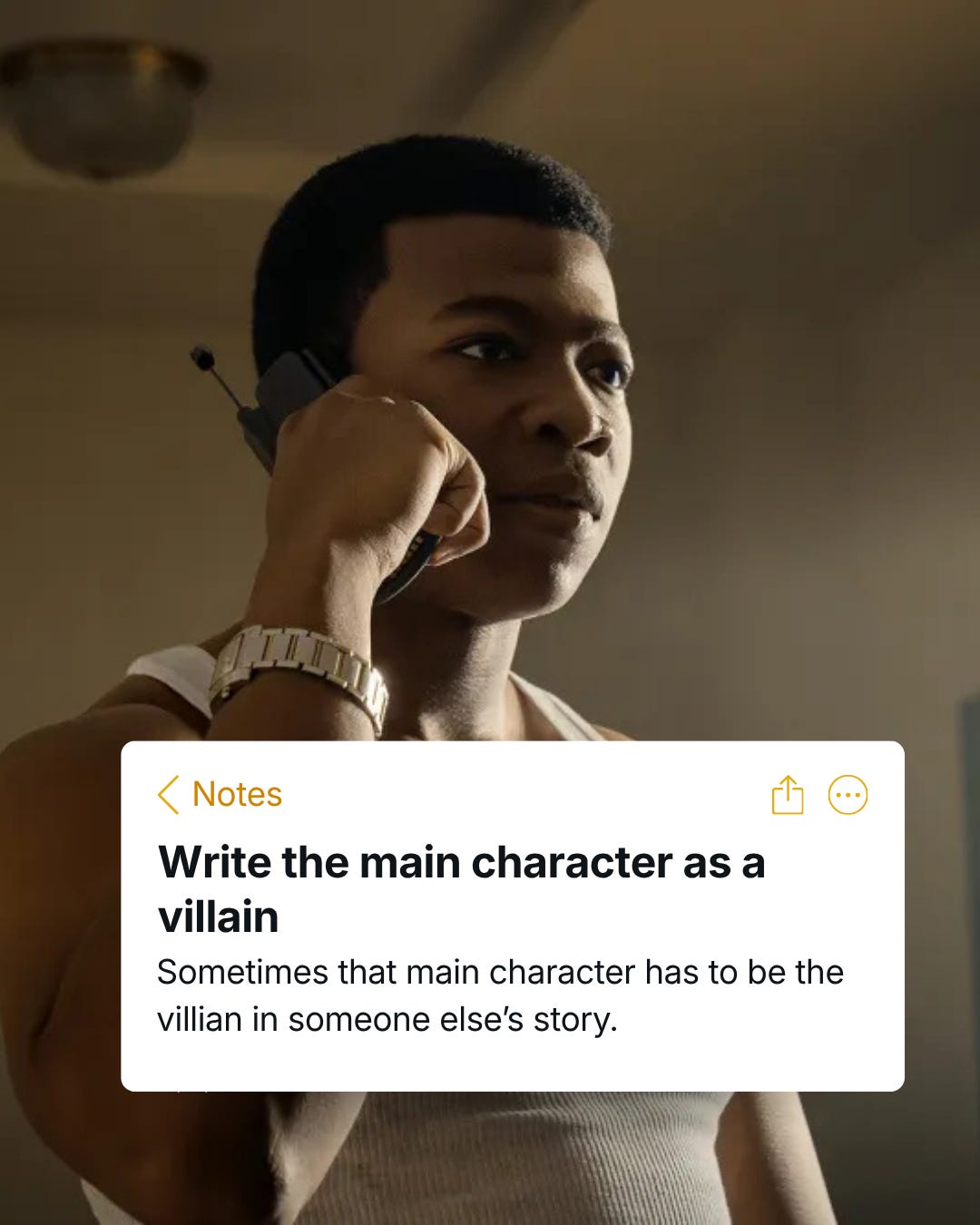
The main character isn’t always a “protagonist” in the sense of being a good person. Main characters need to be diverse in every way, especially in how they show up in others’ lives. Sometimes they are the villain in someone else’s story, which can either go well or go completely off the rails. In this case, everyone has main villain energy.
4. The worst that can happen isn’t the worst that can happen
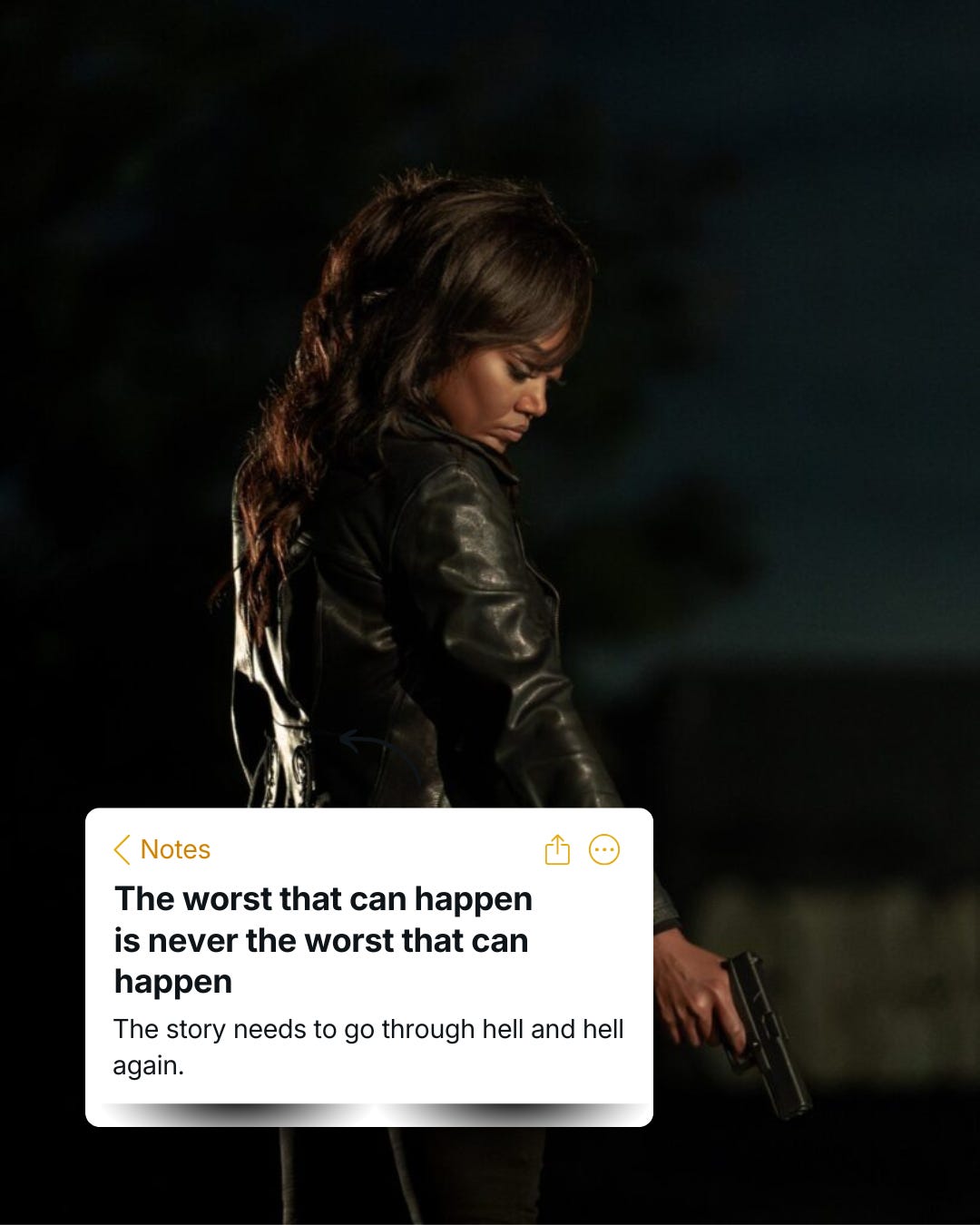
The conflict never stops on this show, and I love every bit of it. I learned in this episode that final seasons’ first episodes need to hit the nail on the head from the get-go. Don’t be afraid to cause turmoil and chaos from the very beginning because that’s the least of what needs to happen throughout the entire season. Also, ending the previous season with conflict allows the next season to begin with conflict that opens the door to more conflict.
5. Always bring up old shit
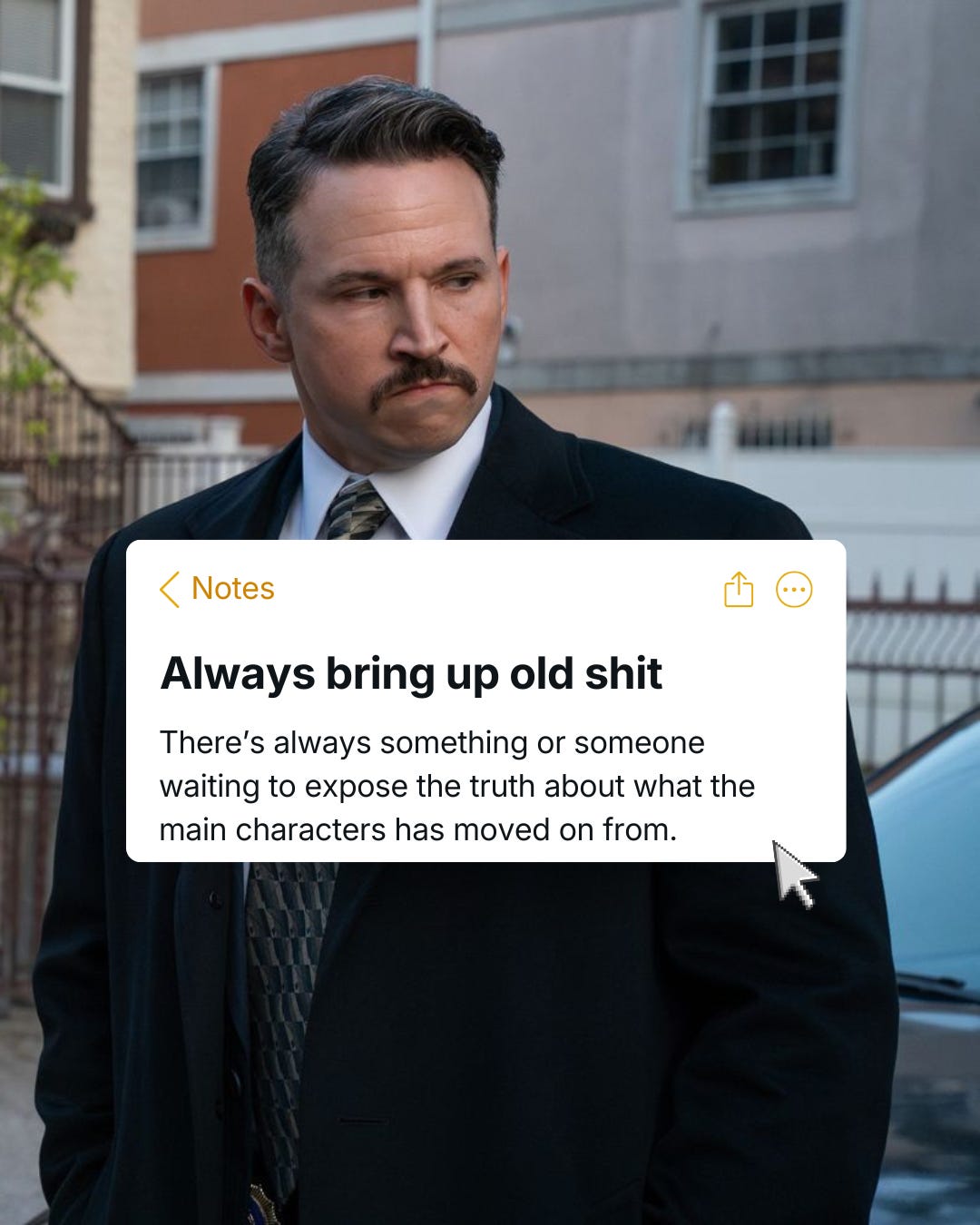
The main lesson I learned from this episode is to ALWAYS BRING UP OLD SHIT. Do not forget a thing and don’t let the characters forget a thing. It’s always a character lurking behind plot A, B, and even C trying to bring down anything and everyone connected to plot A and its characters.
Standout Moments I Fell In Love With

Fashion Statements


One of my favorite things about this show is the fashion. Every single person steps, from high fashion to street fashion. It’s literally a look into how Black communities contributed to the fashion world and made a statement every single time they showed up. This season’s fashion is about to take me on a historical trip, I can already tell. The nineties street fashion of characters like Unique and Kanan gets me every time, but it’s something about Breeze’s style that makes me orgasmic. The braid pattern that is clearly his trademark is so clever and honorable to our culture. While Raq continues to show off her closet even in the hardest moment in her life, it is so New York. She’s such a big stepper and never lets anyone telll her differently.
Unique’s wife saying “I love you, but bye.”

Baby Pernessa said “enough is enough”! I guess this was her last straw, and I hope she sticks to it because he just does not get it. On top of that the moment when he was saying goodbye to his son was very telling. That boy does not know that man like that!!!
Breeze & Unique’s Banter
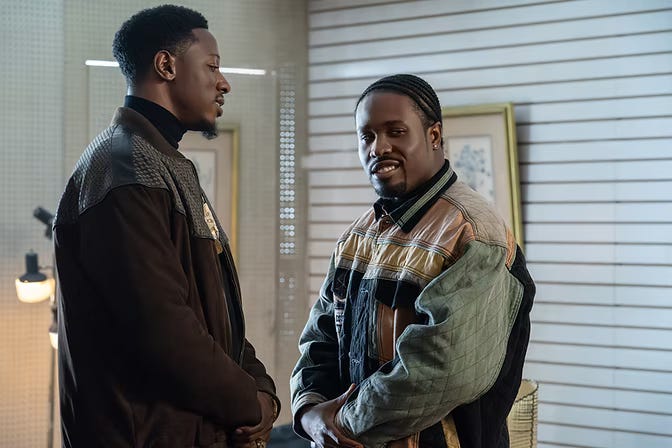
I absolutely loved this banter between Unique and Breeze, and not because they are eye candy but because it showed us how the same they really are. The only thing is that Breeze is confident and Unique is simply arrogant. Breeze can get under Unique’s skin because he knows comparison is his worse enemy.
Shareece’s Screens Awards
Best Performance - Landon Brown as Marvin Thomas
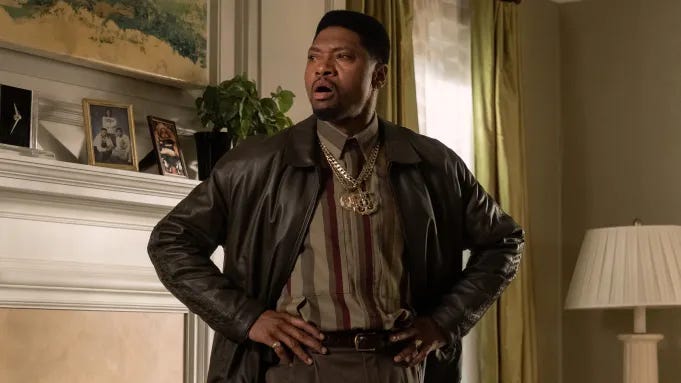
Best Character - Jukebox (Played by Hailey Kilgore)
Best Scene - Marvin Speaks At Lou’s Funeral
I hope you enjoyed these lessons and will use them to help you create stories that make you feel seen. Until next time….
Overall Rating: 9/10

Shareece’s Screens isn’t a hobby.
It’s a development room.
This publication operates as an open studio inside Realm Empire Network (REN) — where I build scripted and unscripted worlds, break down character psychology, publish development notes, and document the architecture behind universes like Project Universe and Vessel Century Universe.
I am a full-time creator.
That means:
I research.
I write.
I world-build.
I develop show bibles.
I design templates for storytellers.
I mentor through Script My Story.
I actively develop visual projects inside REN.
And I do it independently.
There’s no studio payroll behind this page.
No corporate marketing budget.
No network funding my development hours.
When you tip Shareece’s Screens, you are:
• Funding story development
• Supporting independent Black-led studio infrastructure
• Investing in world-building philosophy outside of Hollywood systems
• Allowing me to create without compromising the vision
• Helping sustain a full-time creative practice
This work takes time, discipline, and emotional labor. The breakdowns you read here — from character autopsies to power dynamics templates — are the same level of thinking I apply inside writers’ rooms and development spaces.
Tipping allows me to:
Dedicate more hours to story development
Produce deeper research essays
Release more templates and tools
Host more free educational breakdowns
Continue building REN as an ecosystem
If something here helped you think differently, build stronger characters, or see story in a new way — consider supporting the studio.
Even small tips matter.
Independent storytelling only survives when the audience values the architect as much as the art.

Study Hall: Tv Pilots

Study Hall is a series by Shareece’s Screens dedicated to studying the art, language, and architecture of television and film. From screenwriting and directing to character psychology, cinematography, sound, editing, and world-building, each session explores how stories are constructed and why they emotionally resonate with audiences.
Character Minds: Awkward, Beautiful, and Complicated

Character Minds is a storytelling study series inside Shareece’s Screens that examines the psychology, motivations, and internal conflicts that shape unforgettable characters on television and film.