



World of Stories is a deep-dive series that explores the architecture of storytelling across film, television, and emerging scripted universes. Through a producer’s lens, this series breaks down how worlds are built—layer by layer—from character ecosystems and setting to theme, tone, and narrative structure.
Each installment examines the intentional choices behind the stories we watch: Why this world exists, how it functions, and what makes it resonate. Whether grounded in reality or expanded into imaginative realms, World of Stories highlights the systems, cultures, and emotional truths that give a story its staying power.
This isn’t just about what happens on screen, but it’s about what holds it all together.
From analyzing established worlds to unpacking in-development concepts, World of Stories serves as both a study and a blueprint for creators looking to build narratives that feel lived-in, expansive, and unforgettable.
For creators. For builders. For those shaping what comes next.
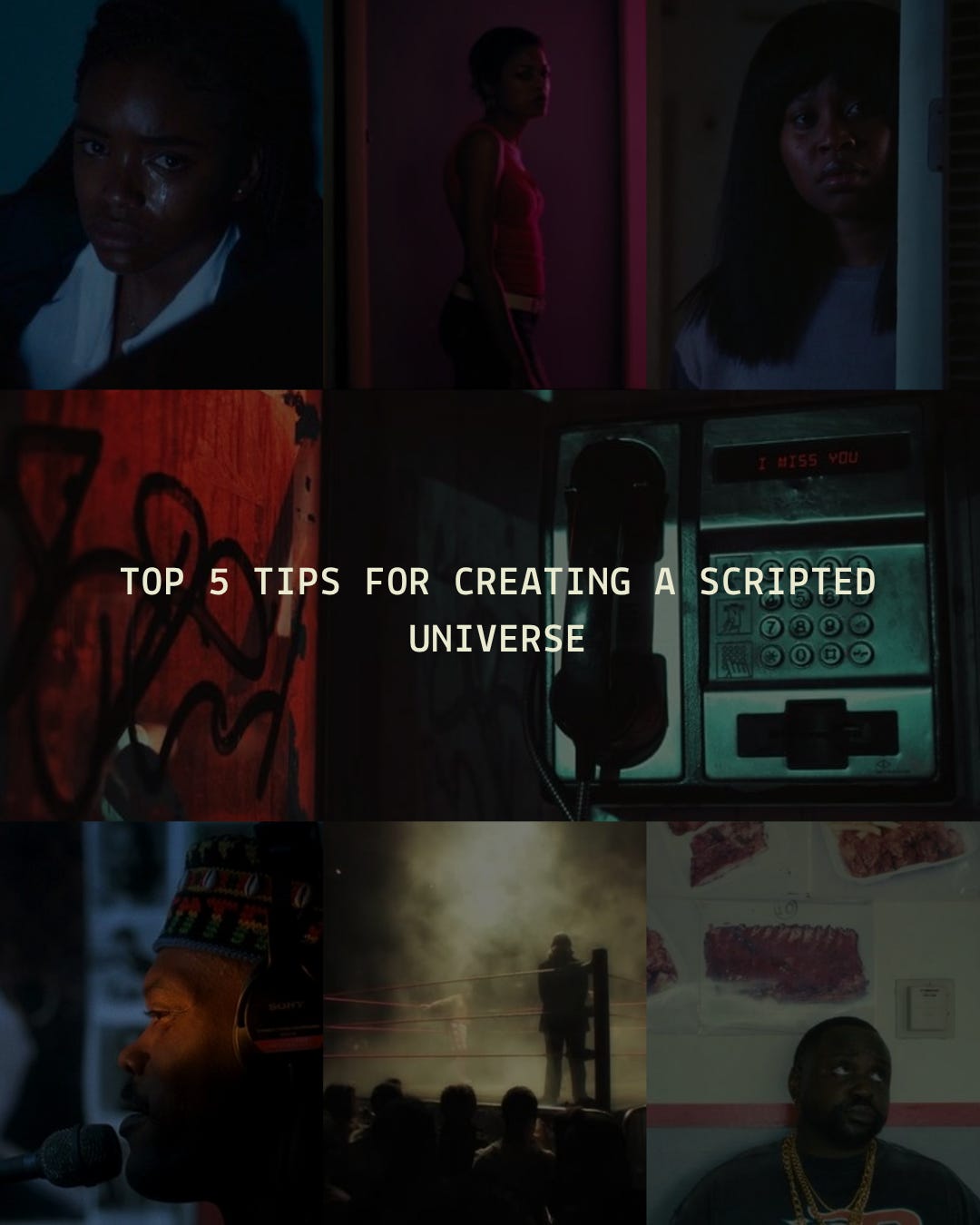
Building a scripted universe is a different discipline than building a single show. It requires structure, long-term thinking, and clarity about how multiple stories operate within the same system.
These are the five core principles I use when developing a universe:
1. Define the Vision Before Development Begins
Before writing scripts or outlining episodes, I focus on defining what the universe actually is.
This includes:
Tone and genre
Visual identity
Core themes
Audience experience


I use a method I call trade card visualization, which is an organized way to break down a concept into key components. I also use tools like Milanote to map out references and organize visuals from sources like Pinterest, magazines, and YouTube.
The goal here is clarity. If the vision isn’t clearly defined at the beginning, it becomes difficult to maintain consistency across multiple shows.
2. Establish an Anchor Family or Central Group
Every structured universe needs a central point of focus.

I approach this through an anchor family (or families)—a core group of characters whose lives drive the larger narrative. These characters are not just part of the story; they are the foundation of the world.
Instead of trying to build the entire universe at once, I start with this group and develop their:


Background
Relationships
Conflicts
Influence on the surrounding world
Once this foundation is solid, expanding into additional storylines becomes much more cohesive.
3. Design Clear Connections Between Shows
Having multiple shows does not automatically create a universe. The connection between them is what defines it.
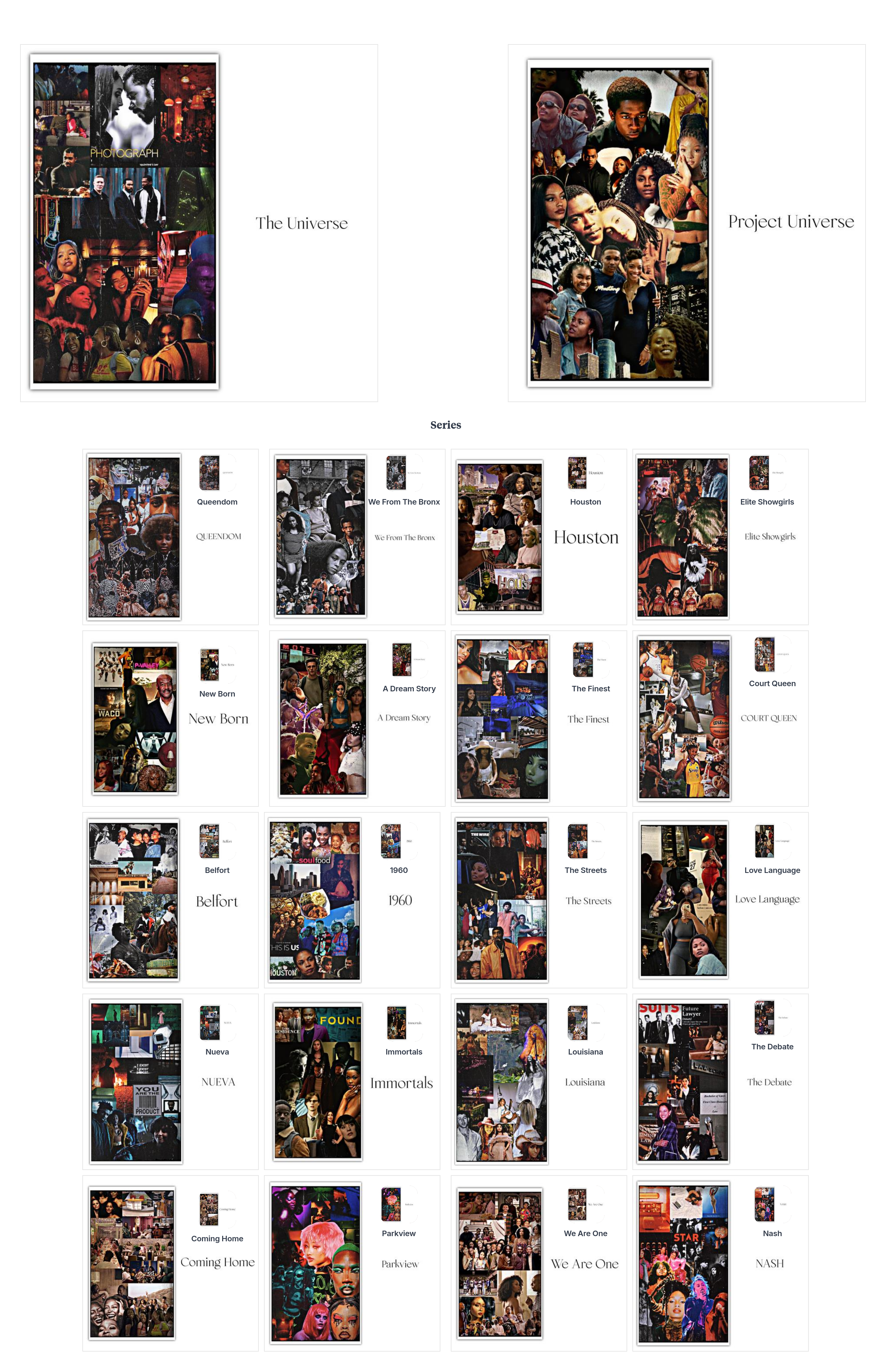
Each project should answer:
How does it relate to the central storyline?
Which characters or events overlap?
What shared elements exist across shows?
These connections can be direct (shared characters, crossover events) or indirect (shared environments, timelines, or consequences).
The key is intentional design. Viewers should be able to recognize that these stories exist within the same system, even if the connection is subtle.
4. Build With Generational Depth in Mind
A strong universe is not limited to a single timeline.


I develop stories with generational structure, meaning the world includes:
Past events that shape the present
Present actions that impact the future
Multiple versions or phases of characters over time
This adds realism and continuity. It also creates more opportunities for expansion without breaking the logic of the world.
Thinking in generations allows the universe to grow in a way that feels natural instead of forced.
5. Follow the Direction of the Story
Even with structure in place, development is not always linear.
As the universe evolves, certain storylines, characters, or themes will naturally expand beyond their original scope. When that happens, I pay attention to what is working and what is emerging.
This requires:
Being flexible within your structure
Recognizing when a concept needs to grow
Trusting your understanding of the story
The goal is not to control every outcome, but to guide the universe while allowing it to develop where it has the strongest potential.

Creating a scripted universe is a long-term process. It requires consistency, organization, and a clear understanding of how each part contributes to the whole.
When done correctly, the result is not just a collection of shows—it’s a connected system that can expand across multiple formats, timelines, and audiences.

Shareece’s Screens isn’t a hobby.
It’s a development room.
This publication operates as an open studio inside Realm Empire Network (REN) — where I build scripted and unscripted worlds, break down character psychology, publish development notes, and document the architecture behind universes like Project Universe and Vessel Century Universe.
I am a full-time creator.
That means:
I research.
I write.
I world-build.
I develop show bibles.
I design templates for storytellers.
I mentor through Script My Story.
I actively develop visual projects inside REN.
And I do it independently.
There’s no studio payroll behind this page.
No corporate marketing budget.
No network funding my development hours.
When you tip Shareece’s Screens, you are:
• Funding story development
• Supporting independent Black-led studio infrastructure
• Investing in world-building philosophy outside of Hollywood systems
• Allowing me to create without compromising the vision
• Helping sustain a full-time creative practice
This work takes time, discipline, and emotional labor. The breakdowns you read here — from character autopsies to power dynamics templates — are the same level of thinking I apply inside writers’ rooms and development spaces.
Tipping allows me to:
Dedicate more hours to story development
Produce deeper research essays
Release more templates and tools
Host more free educational breakdowns
Continue building REN as an ecosystem
If something here helped you think differently, build stronger characters, or see story in a new way — consider supporting the studio.
Even small tips matter.
Independent storytelling only survives when the audience values the architect as much as the art.
Thank you for funding the vision.
– Shareece

Brilliant work so much detail.
Timely though this needs to happen in the world a new creative space.