

Character Development: The Characters of The Universe
Character Minds - 002 #projectuniverse a queendom story


Character Minds is a storytelling study series inside Shareece’s Screens that examines the psychology, motivations, and internal conflicts that shape unforgettable characters on television and film.
Through the lens of a producer and screenwriter, this series breaks down how characters are written, how their choices drive plot, and how power, trauma, ambition, and identity influence the worlds they live in. Each entry explores the architecture behind character behavior—why they make the decisions they make and how those decisions reshape the story.
From protagonists to antagonists, Character Minds looks beyond the surface to understand the emotional engines that power great storytelling.
Pre-production is the home of character development, and without it stories can feel one-dimensional. As I am building project universe, I am learning so much about the kind of characters I wish to see on screen. This essay is all about how I create, build, and develop my characters, who not only represent what I want to see but also are characters I need to see.
Over the years, I’ve learned different ways to develop characters, which led me to creating my core development style, and for a storyteller like myself, I had to start by identifying characters and what story they belong to. Sometimes we get the urge to place characters where we want them, but sometimes I go where they want.
This is how I do it:
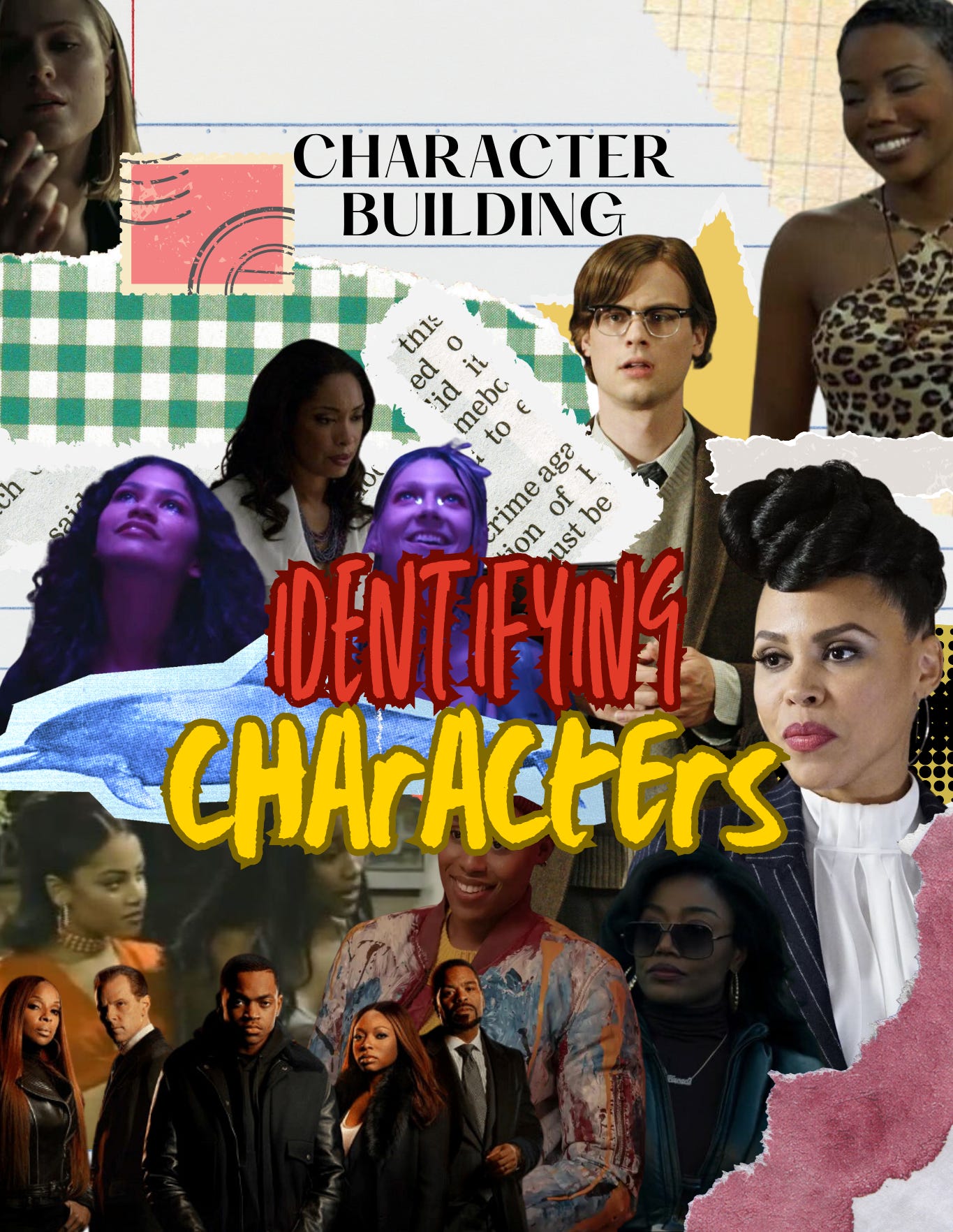
Identifying characters consists of the following:
character aesthetics
character building
audience engagement
conflict and drama
character arcs
themes and messages
conflict resolution
subtext and layers
character relationships
audience empathy
memorability
In my pre-production process, I only like to work on a few of these so that I can leave room for imagination, not only for the writer’s room but also for myself. You never know how these characters may want to connect, so leaving room for collaboration is always important for me because I am working with other creators who deserve to develop too.

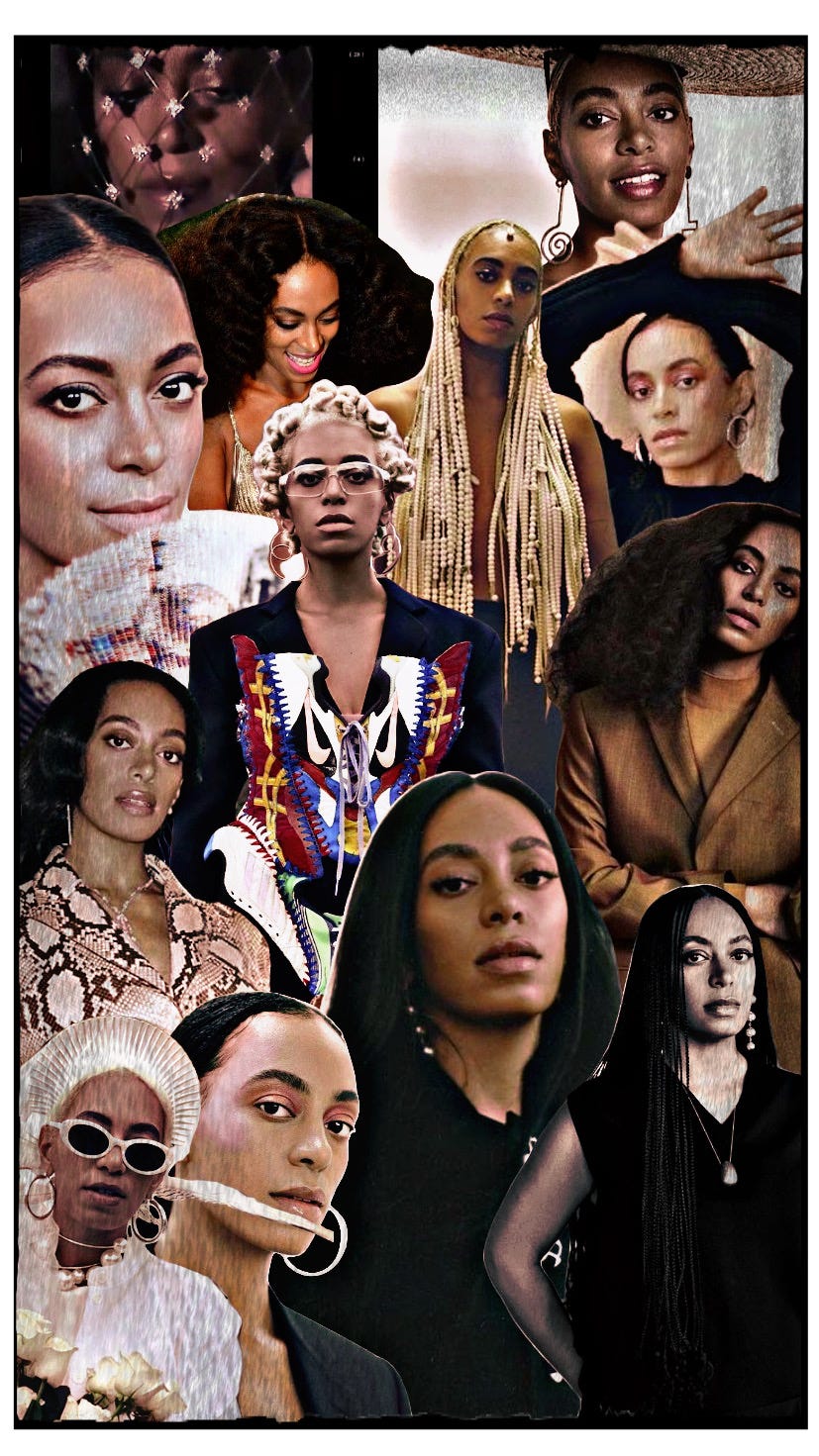
I think most of you know by now that my visual aesthetic for project universe (anything I do) comes with trade cards, videos, and Milanote as my anchor. I create trade cards for each of my characters, and my main characters also receive videos to further help me create a story for them. I also use the assets as a pitching tool for people to witness. I love taking people on that journey with me!
I love creating these types of visuals because I can play them as I work on the character.
As far as Milanote, I use things like GIFs and images to really capture what I am looking for: (I’ll show more below)
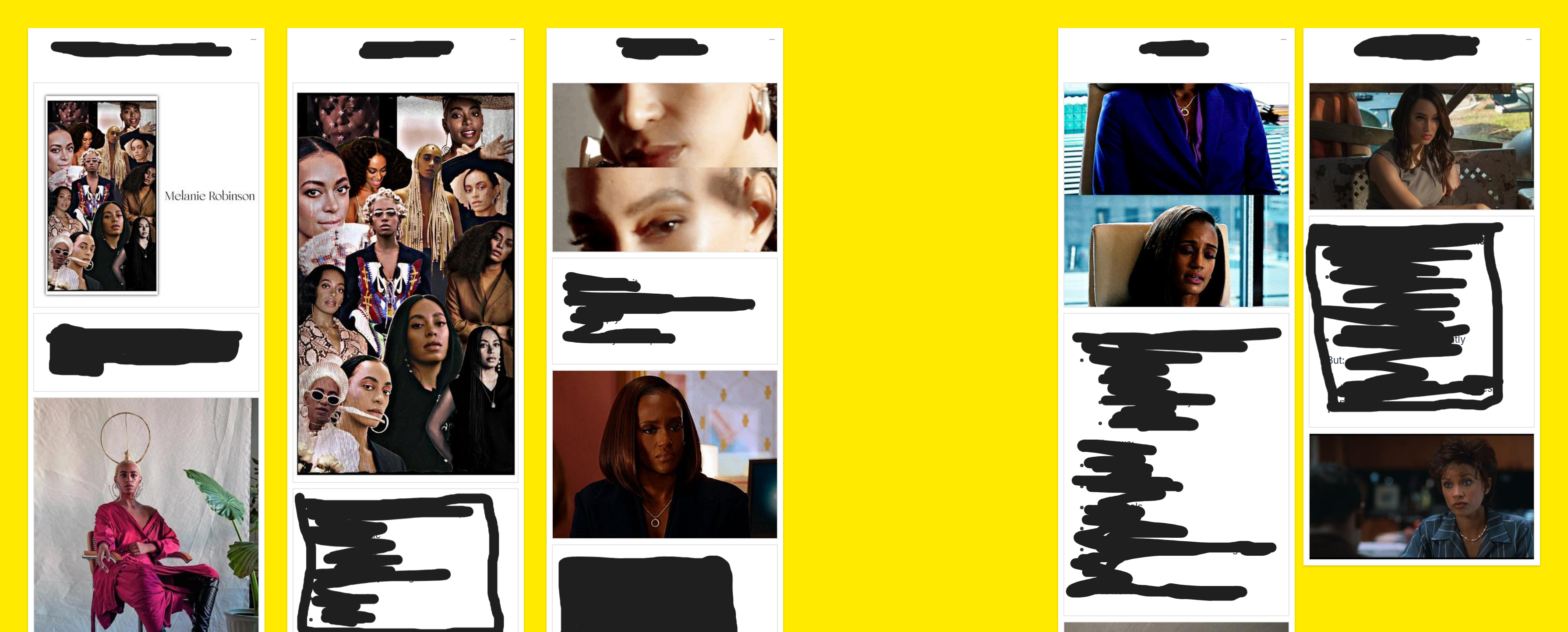
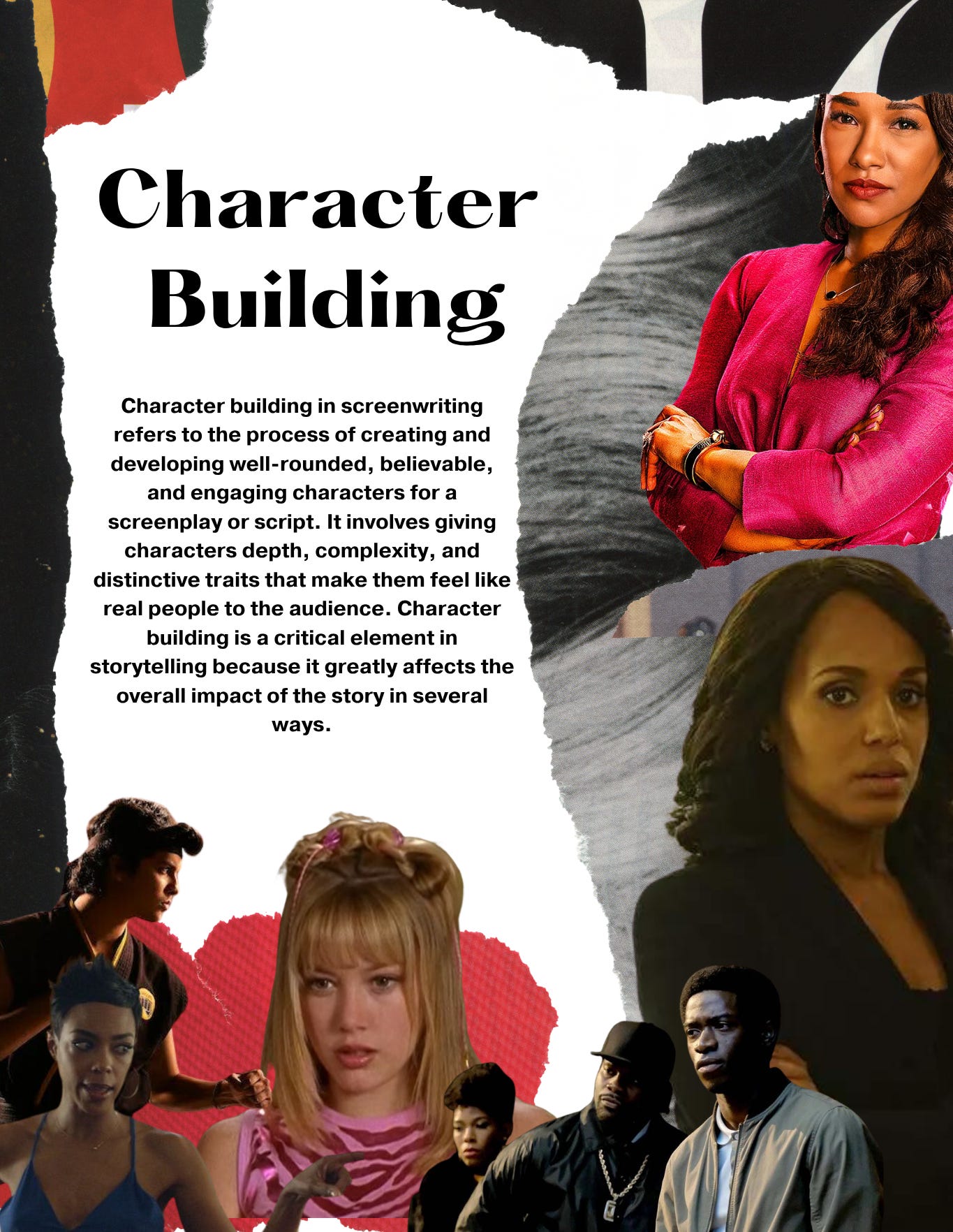
Character Building
Characteristics
When developing characteristics, I look at the visuals I’ve created and ask myself:
“Who are they?”
and not in some clique way: I turn some music (project universe playlist) on; what a show that reminds me of the character, and sit with the thoughts that come to mind.
Here are some thoughts to sit with: (add a gif or image that represents each section)
CORE TRAITS (AT A GLANCE)
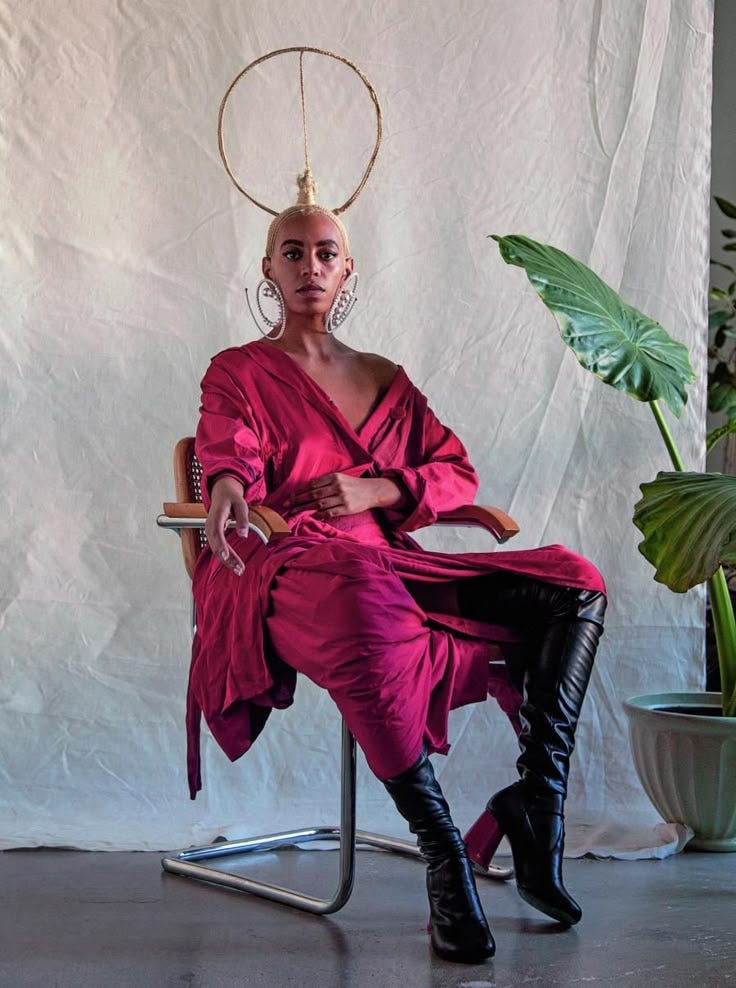
INTELLECTUAL / PERCEPTIVE TRAITS
EMOTIONAL CHARACTERISTICS
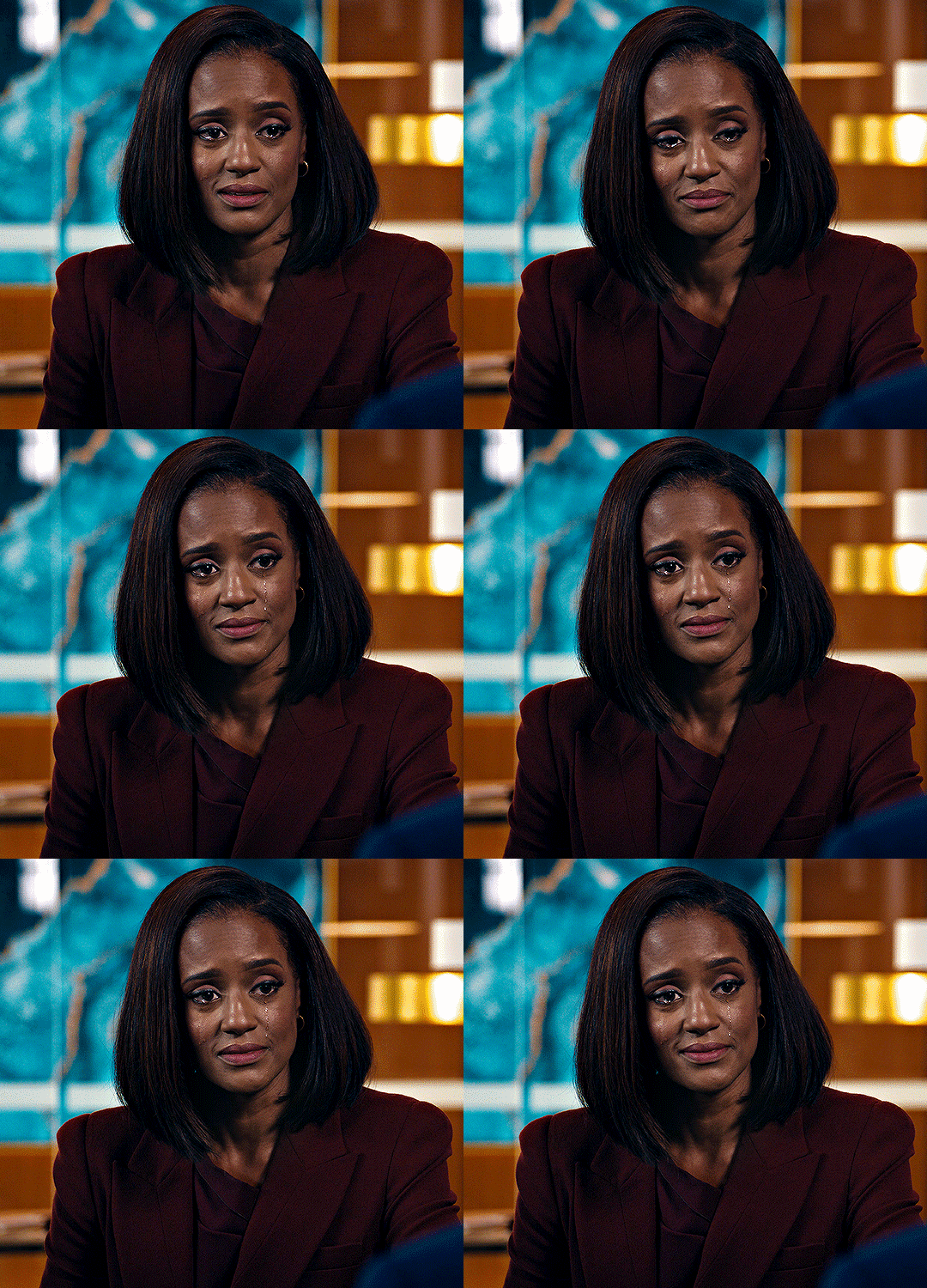
BEHAVIORAL CHARACTERISTICS
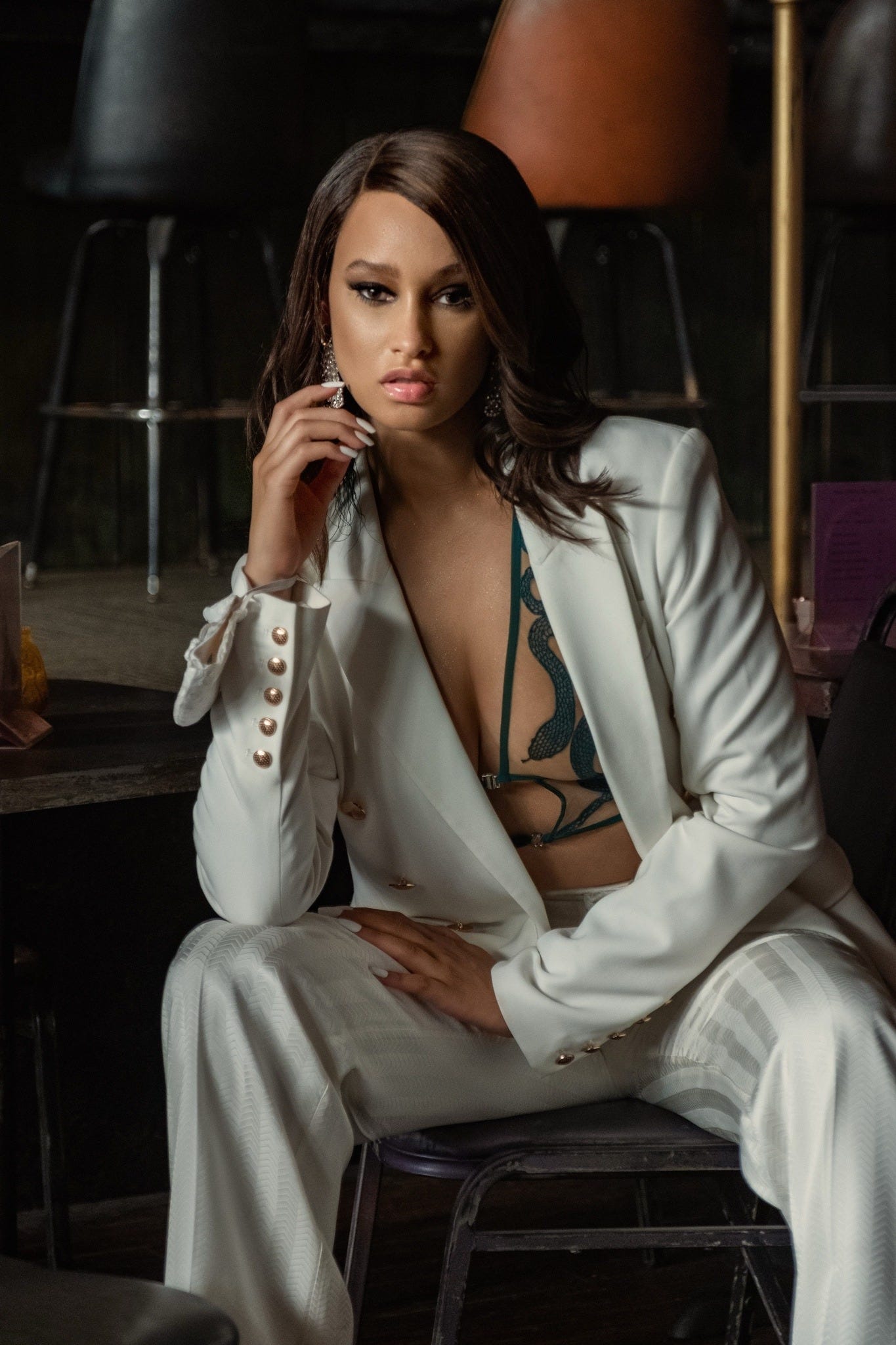
Personality
Who is your character on the inside and out? This is where things get real dirty and nasty; this is where you unlock who they truly are:
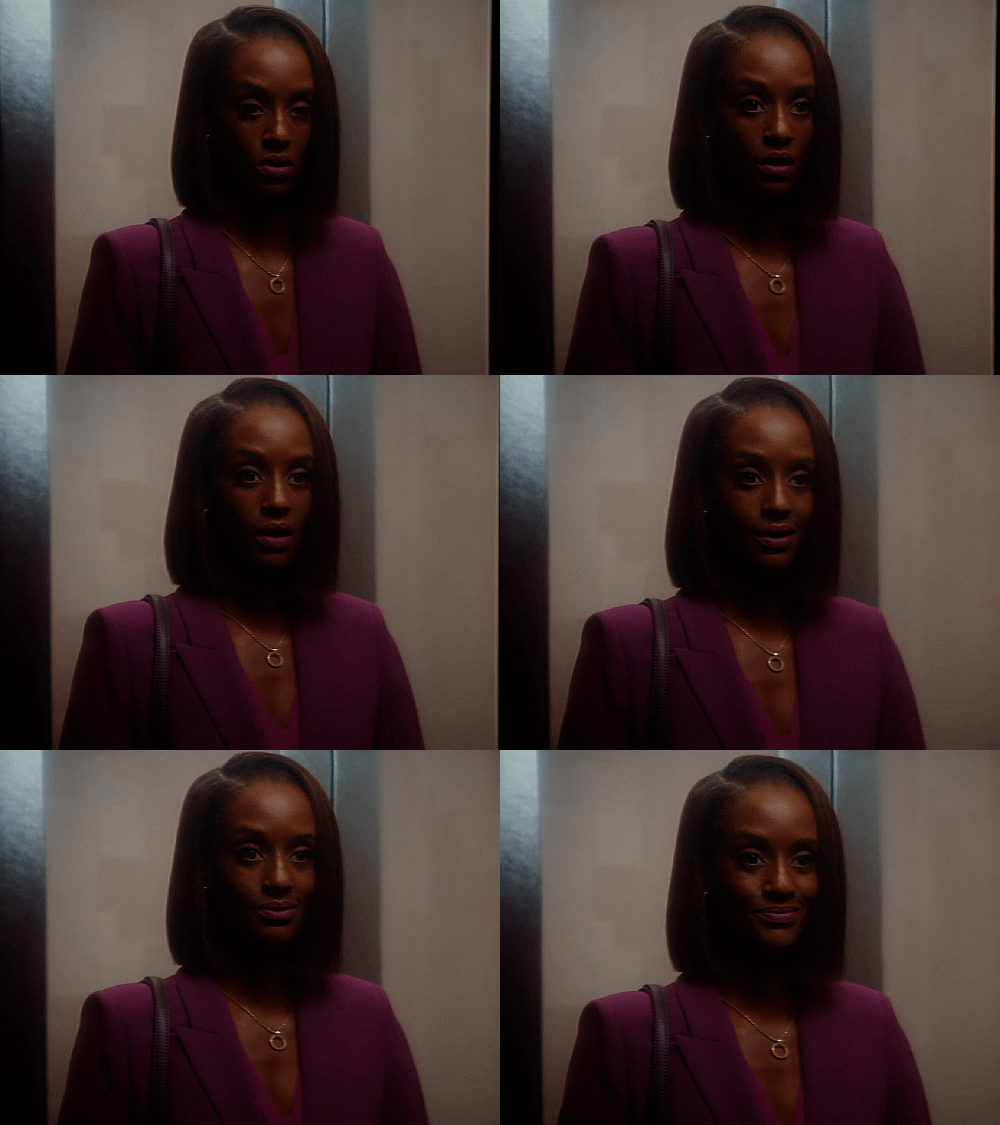
On the surface:
Warm
Observant
Emotionally intelligent
Easy to talk to
Grounded
Underneath:
Tired
Resentful
Hyper-aware
Guarded in her own way
Quietly rebellious
Backstory


I must know the backstory of my characters because I need to know if the outcome matches their life. It shall consist of the following:
Full name (First, Middle, Last)
Date of Birth, Age
Birthplace, Hometown, Location
Parents
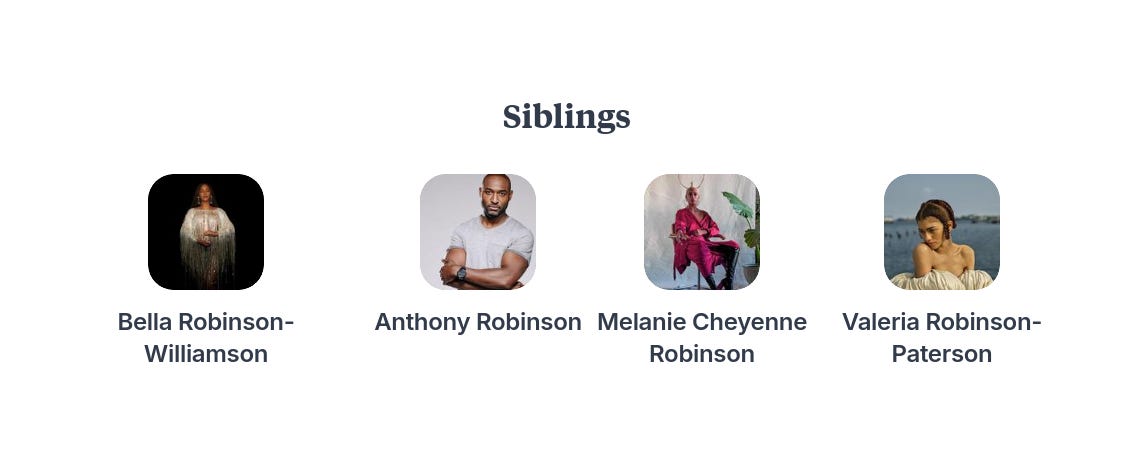
Siblings
Role in the Family/Story
Quirks & Flaws


What makes the character who they are? This section is where I discover their sense of humor, their weird obsessions, and things that make them feel human.
REI CODE AVAILABLE IN REALMORA
While other factors like:
Motivations/Action
Wounds
How they Begin vs What They Become
Wants/Needs
can all be developed in the writing room.
Themes and Messages
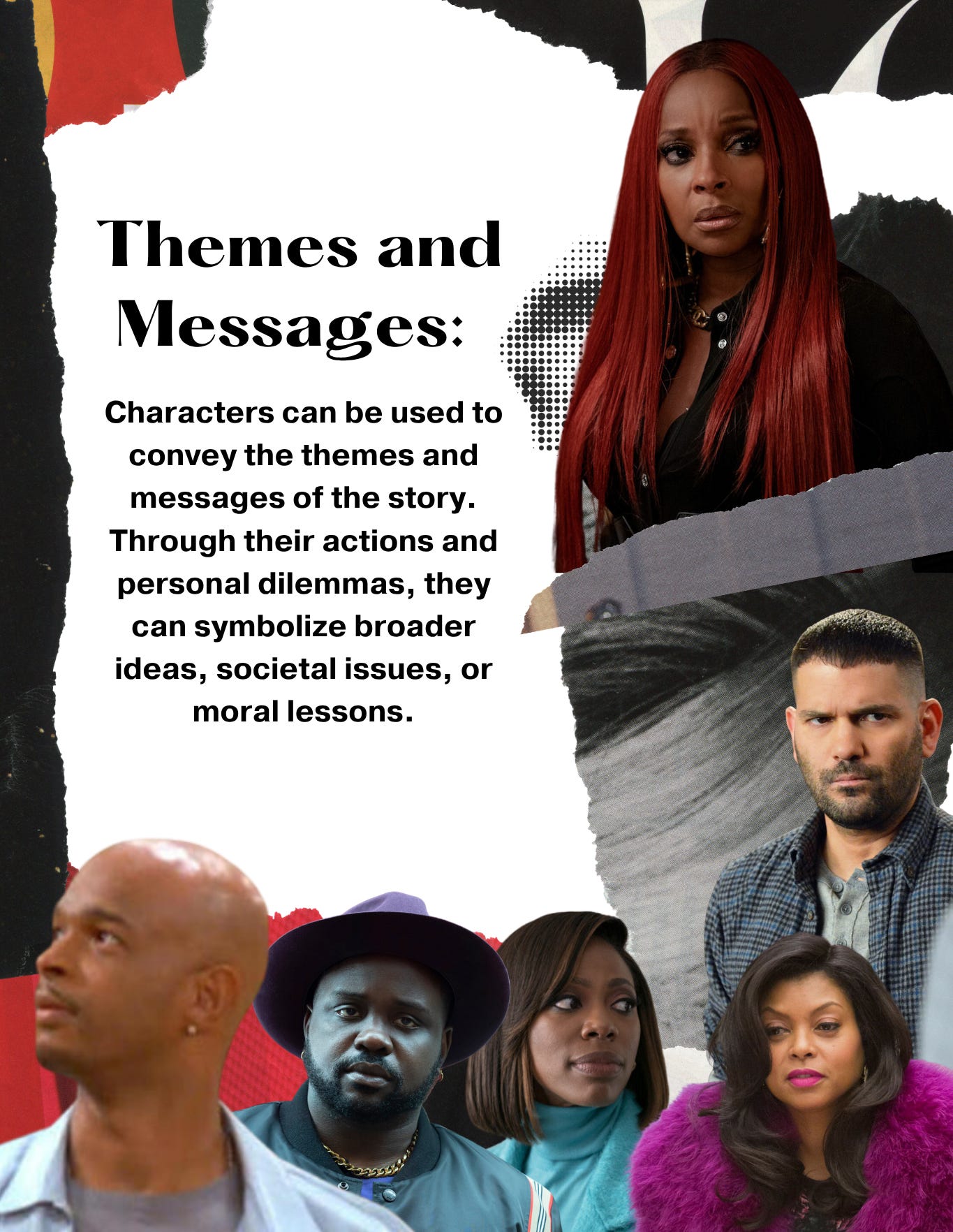
I am all for creating themes and messages within the pre-production stage of building a universe. For me, having an idea of the story of the universe and its series but also the story of the characters is the very thing that allows me to write clearly. I write quotes for each of my characters to help with the energy.


Character Relationships
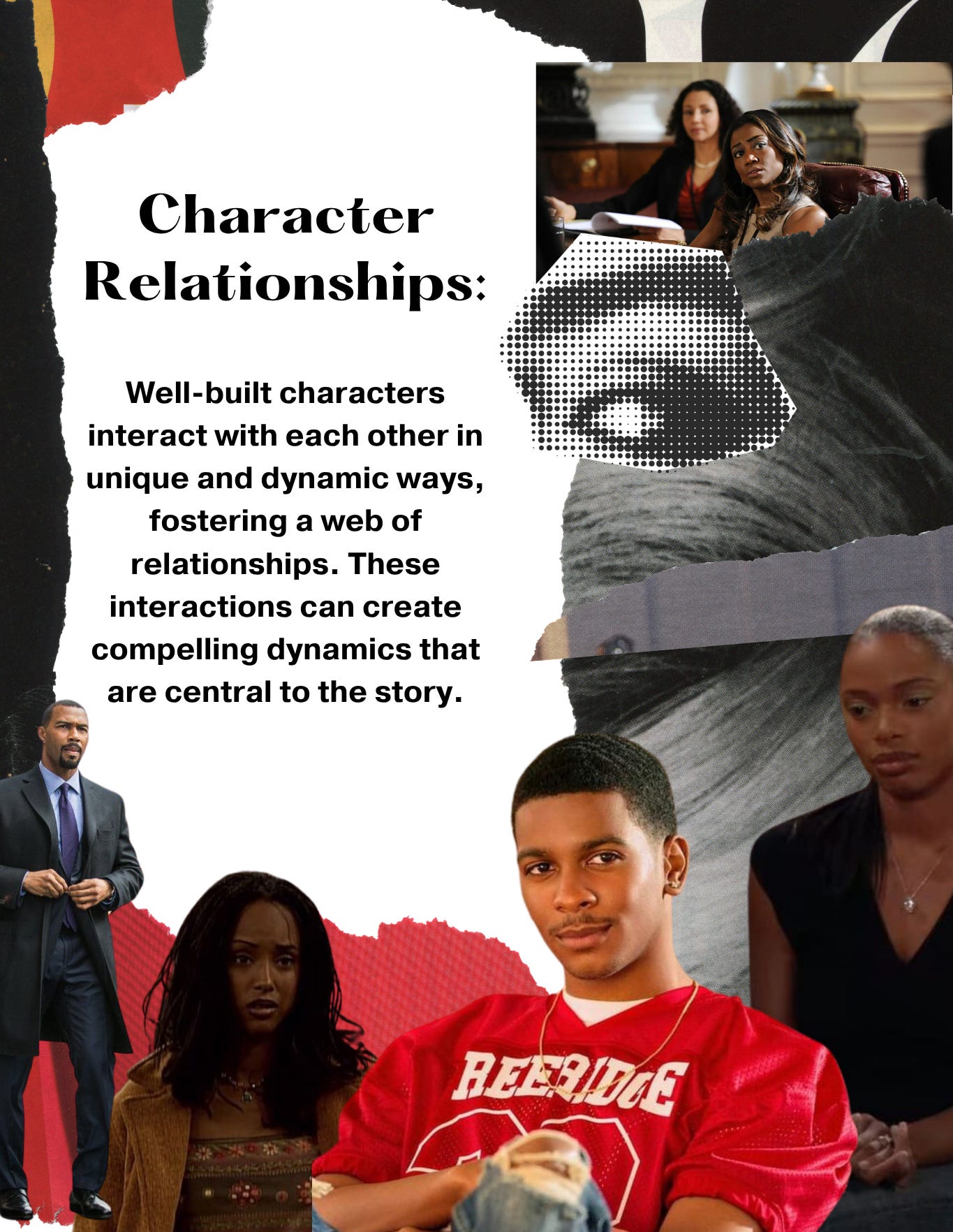
I think…. no, I know the benefit of creating characters with intentional character relationship building. I get such a kick out of building families’ connections and relationships through project universe. Not only do most of my characters connect through the show itself but also through the entire series. I like to start with an outline of the characters themselves while keeping a well-organized family and relationship system.
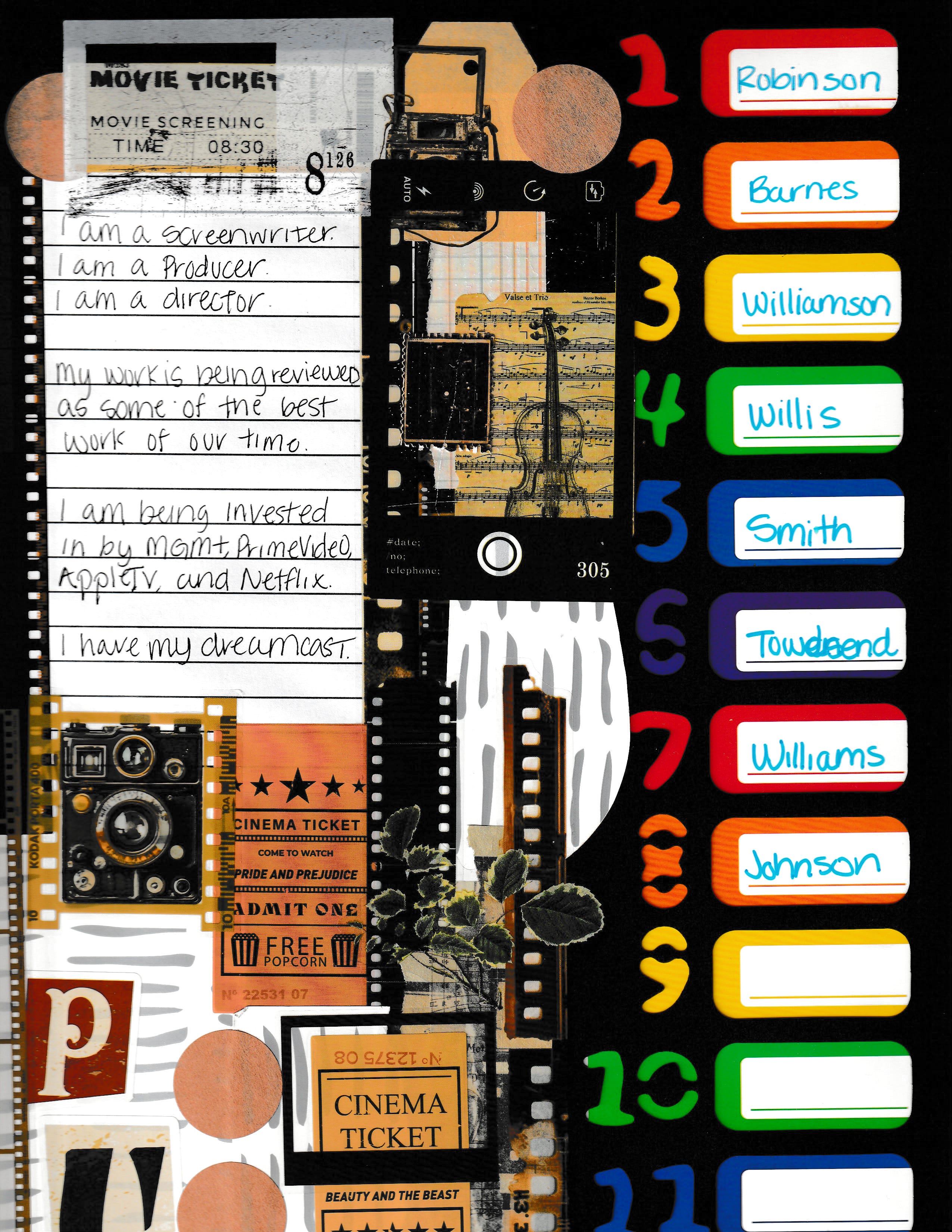
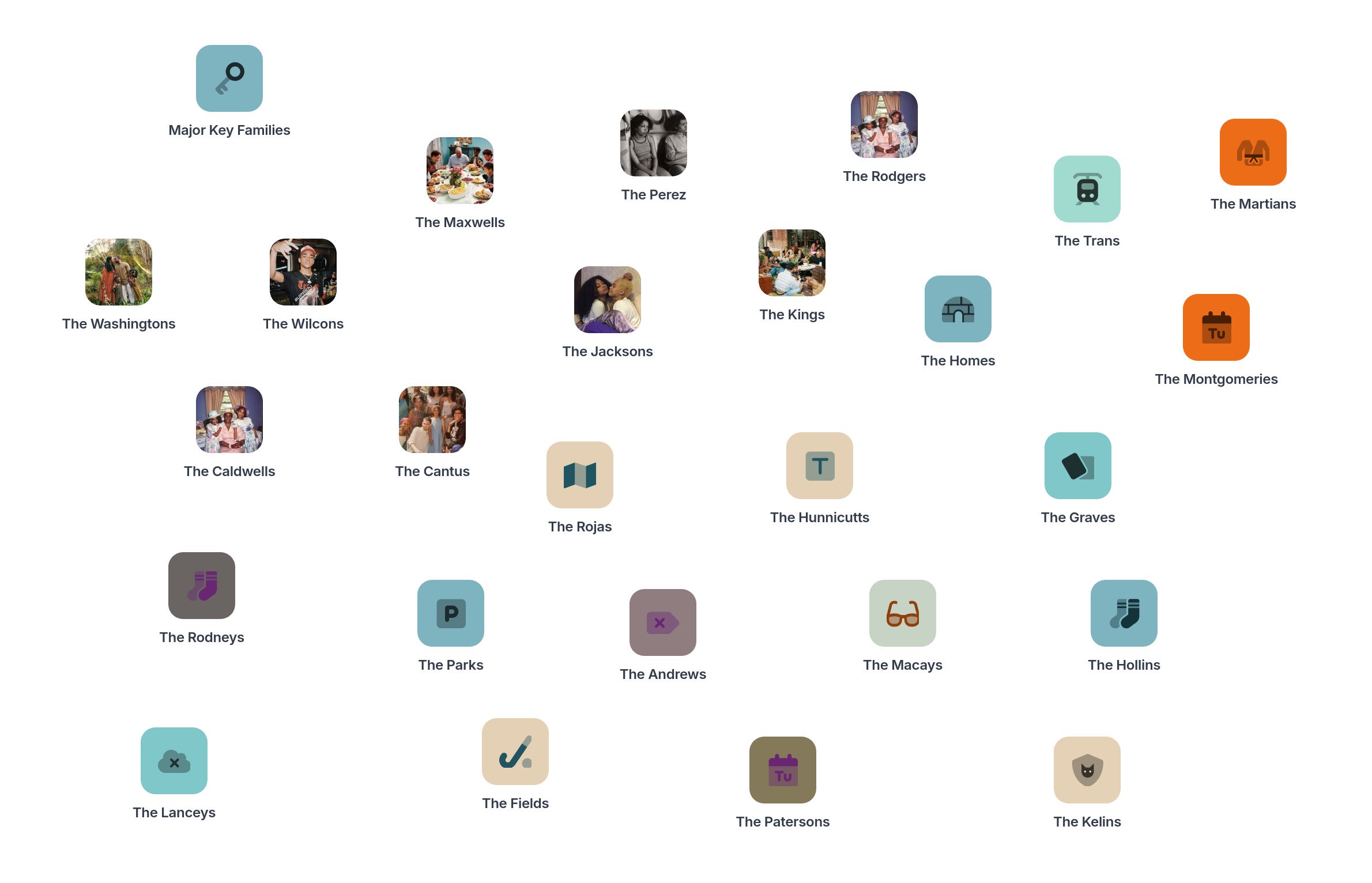
This is my crème de la crème of understanding who my anchor families are, and it showcases how each of these families connects to the universe. I love everything about this!
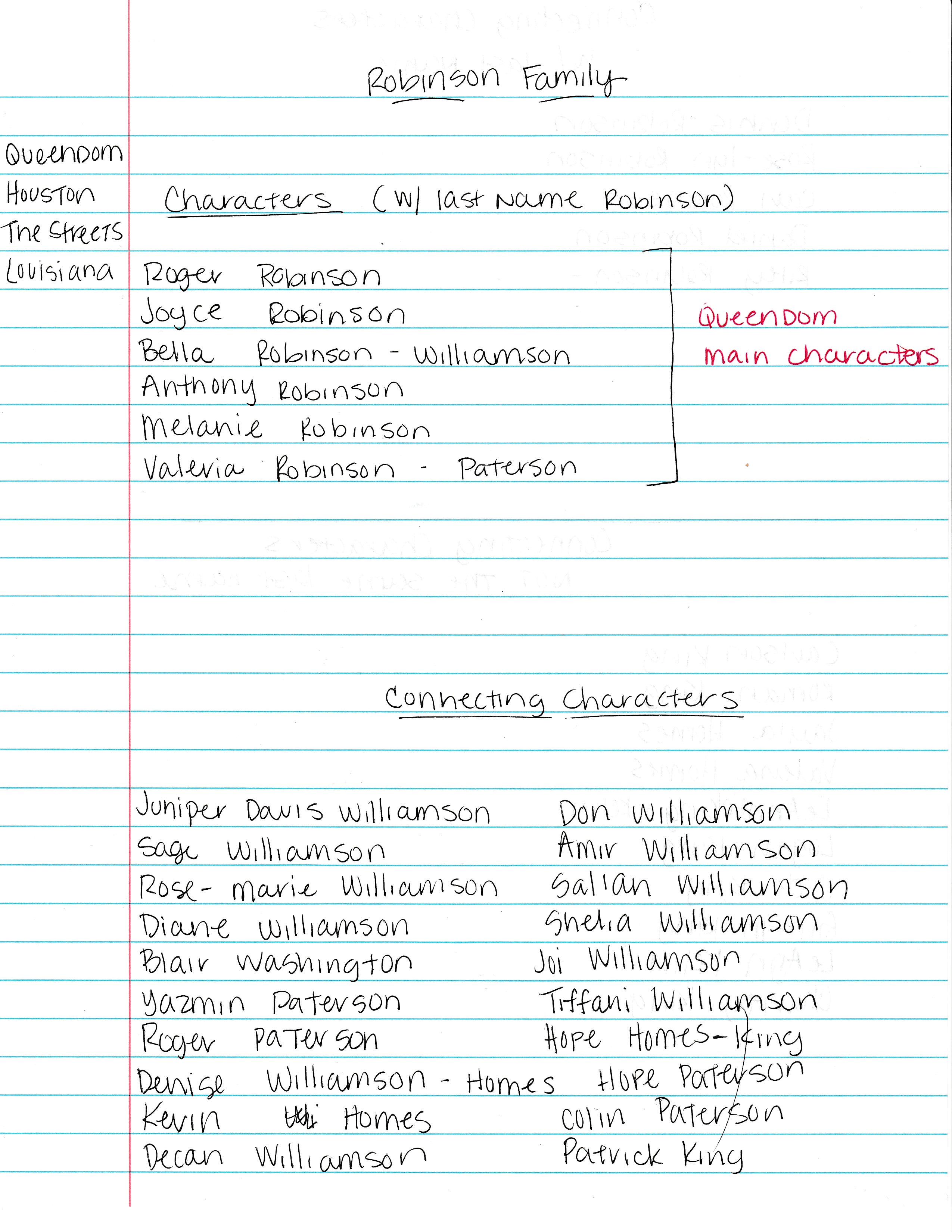
Being organized is one of the best ways to see the story and not depend on the writing to create new characters. I learned early on to align my characters before writing the relationship between them, plus this method is also a really fun way to express new ideas.
However, it gets messy before even organizing it.
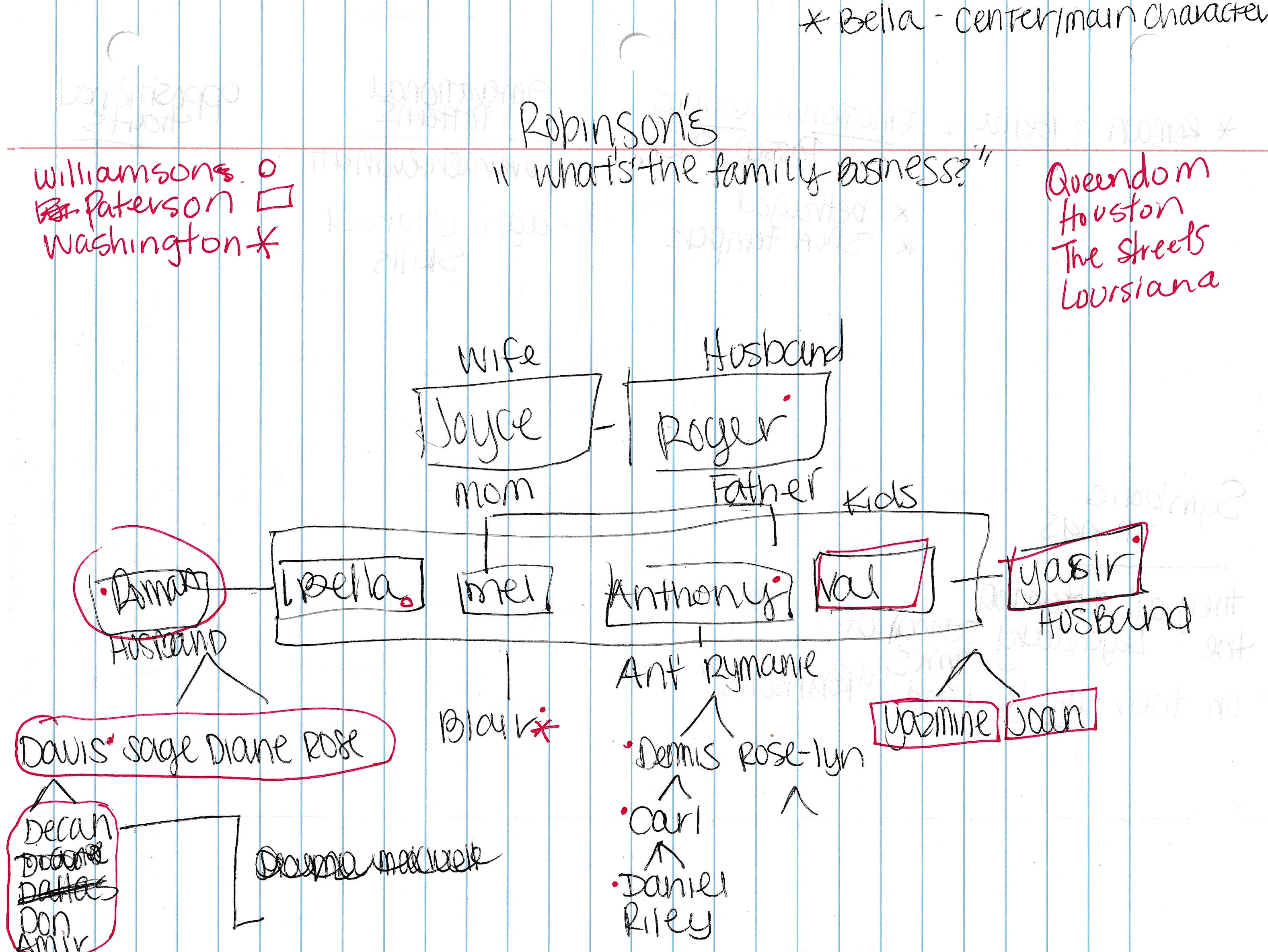
Building families is such a great way for me to develop characters because I get to learn the background of the characters and who they are when not defined by their individuality but who they are when pure connection is in the picture.
I really enjoyed sharing this with you; please let me know what else you would like to see on this journey to project universe.

Shareece’s Screens isn’t a hobby.
It’s a development room.
This publication operates as an open studio inside Realm Empire Network (REN) — where I build scripted and unscripted worlds, break down character psychology, publish development notes, and document the architecture behind universes like Project Universe and Vessel Century Universe.
I am a full-time creator.
That means:
I research.
I write.
I world-build.
I develop show bibles.
I design templates for storytellers.
I mentor through Script My Story.
I actively develop visual projects inside REN.
And I do it independently.
There’s no studio payroll behind this page.
No corporate marketing budget.
No network funding my development hours.
When you tip Shareece’s Screens, you are:
• Funding story development
• Supporting independent Black-led studio infrastructure
• Investing in world-building philosophy outside of Hollywood systems
• Allowing me to create without compromising the vision
• Helping sustain a full-time creative practice
This work takes time, discipline, and emotional labor. The breakdowns you read here — from character autopsies to power dynamics templates — are the same level of thinking I apply inside writers’ rooms and development spaces.
Tipping allows me to:
Dedicate more hours to story development
Produce deeper research essays
Release more templates and tools
Host more free educational breakdowns
Continue building REN as an ecosystem
If something here helped you think differently, build stronger characters, or see story in a new way — consider supporting the studio.
Even small tips matter.
Independent storytelling only survives when the audience values the architect as much as the art.

This was a thoughtful and educational read. My goal this summer is to write and character development information is not usually as detailed as your work. The visuals and personal process helps me understand how to better work with multiple characters. I know what I want the main story to be but I want the supporting characters to be just as important. Thank you💕